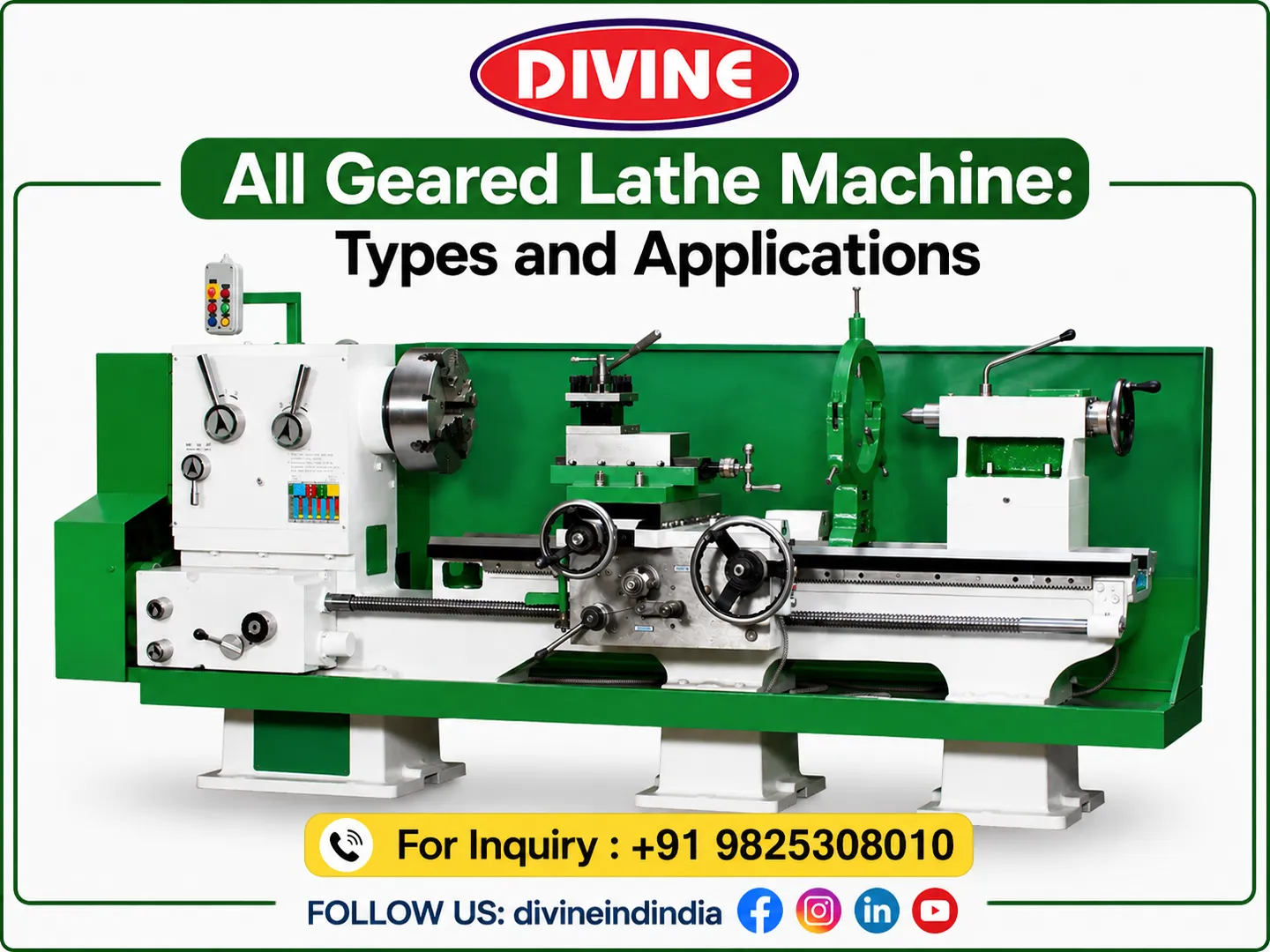
All Geared Lathe Machine: Types and Applications
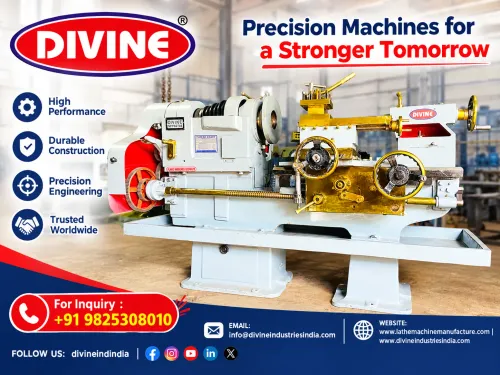
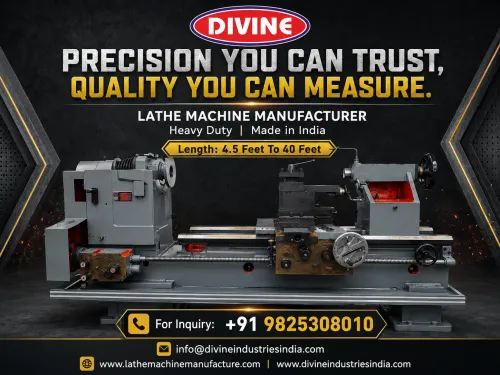
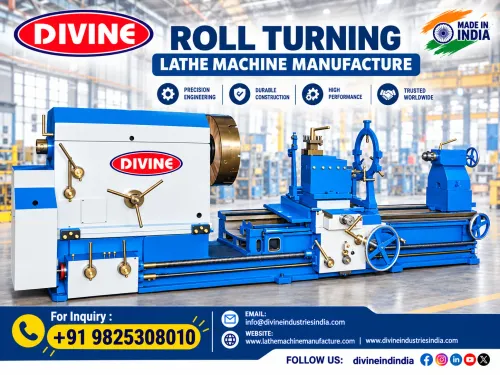
An all geared lathe machine is a versatile metalworking machine designed for accurate turning, cutting, threading, facing, drilling, and other machining operations. Unlike conventional belt-driven lathes, an all geared lathe uses a gear-based transmission system to deliver reliable power and controlled spindle speeds. This makes it suitable for workshops and industries where consistent machining performance and precision are important.
What Is an All Geared Lathe Machine?
An all geared lathe machine is a heavy-duty or general-purpose lathe equipped with a gearbox-driven spindle and feed mechanism. The integrated gear system allows operators to select different spindle speeds and feed rates according to the material, workpiece size, and machining operation.
Its rigid construction and efficient power transmission make it useful for producing components with accurate dimensions and smooth surface finishes.
Types of All Geared Lathe Machines
All geared lathes are available in different configurations to meet specific manufacturing requirements. Common types include:
1. Heavy-Duty All Geared Lathe
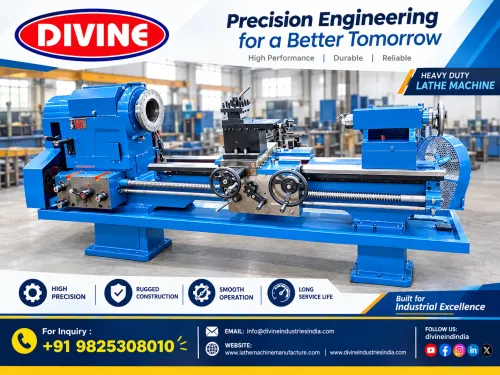
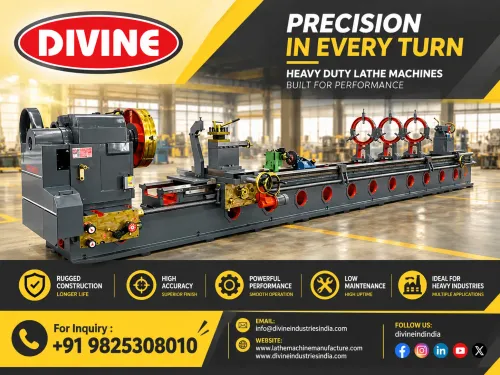
Designed for demanding machining applications, heavy-duty models can handle large and heavy workpieces. They are commonly used for industrial components, shafts, and large cylindrical parts.
2. Medium-Duty All Geared Lathe
Medium-duty lathes offer a practical balance between machining capacity, accuracy, and operating cost. They are widely used in engineering workshops and general manufacturing.
3. Light-Duty All Geared Lathe
These machines are suitable for smaller workpieces and routine machining tasks. They are often preferred for maintenance workshops, educational facilities, and light engineering applications.
4. Precision All Geared Lathe
Precision models are developed for applications where dimensional accuracy and repeatability are important. They are suitable for manufacturing components that require close machining tolerances.
Applications of All Geared Lathe Machines
An all geared lathe can perform a wide range of machining operations, making it valuable across many industries. Typical applications include:
- Turning and cylindrical machining
- Facing and shoulder cutting
- Internal and external threading
- Taper turning
- Grooving and parting
- Drilling and boring
- Chamfering
- Knurling
- Production of shafts, bushes, pins, and other cylindrical components
- Repair and maintenance machining
These machines are commonly found in automobile, engineering, fabrication, manufacturing, agricultural equipment, maintenance, and general industrial workshops.
Advantages of an All Geared Lathe Machine
The geared transmission system provides several practical benefits:
- Efficient power transmission for demanding machining operations
- Multiple spindle speeds for different materials and workpiece sizes
- Better control of feed rates during machining
- Strong and rigid construction for workshop applications
- Versatile machining capability for different components
- Improved productivity compared with many basic belt-driven machines
- Suitable for repeated machining work
- Reliable performance in industrial environments
How to Choose the Right All Geared Lathe
Selecting the appropriate machine depends on the type and scale of work you plan to perform. Important factors include swing over bed, distance between centers, spindle bore, spindle speed range, motor capacity, bed rigidity, machining accuracy, and maximum workpiece weight.
For production environments, it is also useful to consider gearbox configuration, tooling compatibility, machine controls, maintenance requirements, and availability of after-sales service.
Conclusion
An all geared lathe machine combines versatility, controlled speed selection, strong power transmission, and dependable machining performance. With different models available for light, medium, heavy-duty, and precision applications, it can meet the requirements of a wide range of engineering and manufacturing operations.
Choosing a machine based on workpiece dimensions, material, machining requirements, production volume, and desired accuracy can help improve productivity while maintaining consistent component quality.
Keywords