Customized Lathe Machine Manufacturer: Tailored Solutions for Precision Machining
In modern manufacturing, every industrial application has different machining requirements. Standard machines may not always provide the right combination of dimensions, spindle capacity, centre height, bed length, or operational features. This is where a Customized Lathe Machine Manufacturer can provide a practical solution designed around specific production needs.
A customized lathe machine is engineered according to the workpiece size, machining application, production volume, and technical requirements of the customer. From compact workshop applications to large-scale industrial machining, customized solutions can help manufacturers achieve reliable performance and greater operational flexibility.
What Is a Customized Lathe Machine?
A customized lathe machine is a turning machine manufactured with specifications selected according to a customer's application. Instead of choosing only from fixed standard configurations, manufacturers can modify important machine parameters to suit specific machining requirements.
Customization may include:
- Machine bed length
- Centre height
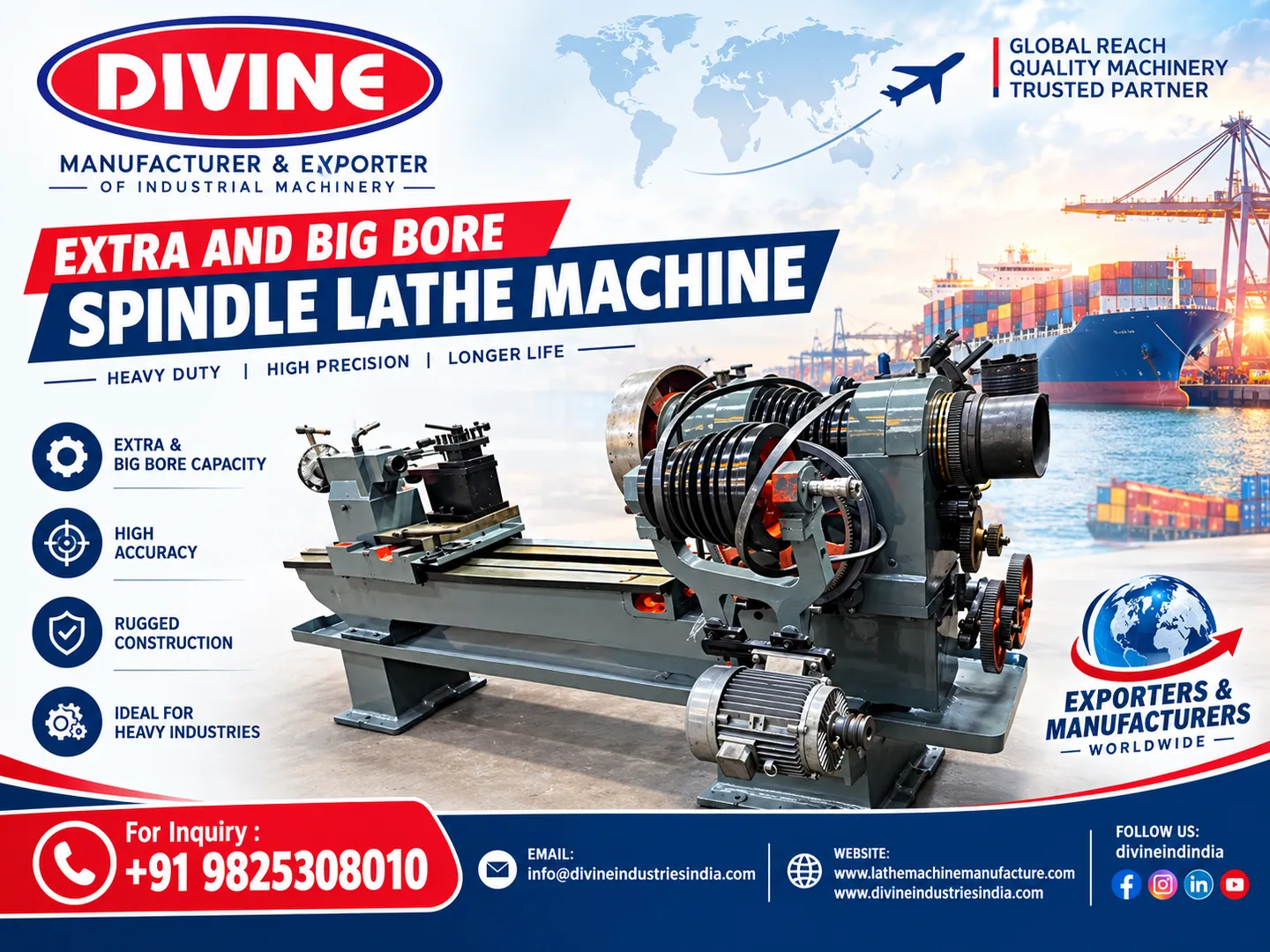
- Spindle bore
- Spindle speed
- Motor capacity
- Chuck size
- Tailstock configuration
- Carriage design
- Threading requirements
- Tool-post arrangement
- Special machining attachments
- Control and operating features
The objective is to create a lathe machine that matches the customer's production requirements while maintaining strength, accuracy, and dependable operation.
Why Choose a Customized Lathe Machine Manufacturer?
Working directly with a customized lathe machine manufacturer allows industries to discuss their application before the machine is produced. This can be particularly useful when machining large, heavy, unusually shaped, or specialized components.
A manufacturer can evaluate factors such as component dimensions, material, machining operations, required tolerances, production frequency, and available workshop space before developing the machine configuration.
This approach can provide a more application-oriented solution instead of forcing a production process to fit a standard machine.
Applications of Customized Lathe Machines
Customized lathes can be developed for a wide range of industrial machining applications. They may be used for components such as:
- Shafts and rollers
- Bushes and sleeves
- Flanges
- Industrial pins
- Large diameter components
- Engineering components
- Fabrication parts
- Automotive components
- Heavy machinery components
- Maintenance and repair work
The exact machine configuration depends on the component dimensions and machining operations involved.
Important Specifications for Customization
When selecting a customized lathe machine, several technical specifications should be considered.
1. Bed Length
The required bed length depends on the maximum component length and machining travel. Long-bed configurations are useful for applications involving extended shafts, rollers, and other lengthy components.
2. Centre Height
Centre height determines the approximate maximum workpiece radius that can be accommodated above the machine bed. The required centre height should be selected according to the component diameter and machining requirements.
3. Spindle Bore
Spindle bore is particularly important when machining long bars, shafts, and components that need to pass through the spindle. A suitable bore diameter can improve flexibility for different workpieces.
4. Spindle and Motor Configuration
Spindle speed and motor capacity can be selected according to the material, component size, cutting conditions, and machining operations.
5. Chuck and Tailstock
Chuck size and tailstock configuration can be customized according to workholding requirements and the dimensions of the components being machined.
Built for Heavy-Duty Industrial Performance
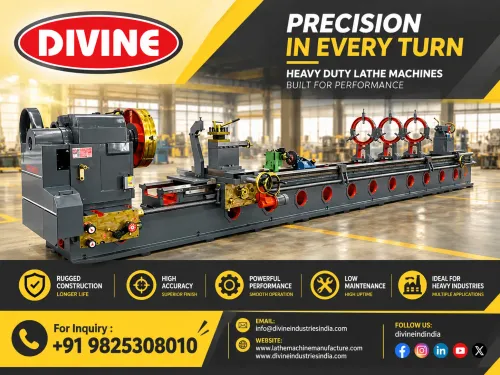
A customized heavy-duty lathe should combine structural strength with dependable machining performance. A rigid machine bed, robust carriage, properly supported spindle, and suitable drive system are important considerations for demanding industrial applications.
For large and heavy components, machine rigidity becomes especially important because machining forces can be considerably higher than those encountered with smaller workpieces.
Customized Lathe Machine Manufacturer in India
India has a growing manufacturing and engineering sector requiring machining equipment for diverse applications. An experienced customized lathe machine manufacturer in India can provide machines developed around local industrial requirements as well as specifications provided by customers from international markets.
From machine dimensions to spindle capacity and special features, customization allows the machine configuration to be aligned with the intended application.
Choosing the Right Customized Lathe Machine
Before ordering a customized lathe, buyers should clearly define:
- Maximum component diameter
- Maximum component length
- Workpiece weight
- Material being machined
- Required spindle bore
- Required machining operations
- Desired production capacity
- Accuracy requirements
- Available workshop space
- Special features or attachments
Providing these details to the manufacturer helps in developing a suitable machine configuration.
Conclusion
A Customized Lathe Machine Manufacturer provides more than a standard turning machine. The manufacturer works around specific production requirements to develop a machine configuration suited to the customer's application.
For industries machining long shafts, large components, heavy workpieces, or specialized engineering parts, customization can offer greater flexibility in machine design. By considering bed length, centre height, spindle bore, motor capacity, workholding, and other technical requirements, businesses can select a lathe configuration aligned with their machining needs.
For reliable industrial machining, choosing a manufacturer capable of understanding application requirements and producing application-specific lathe machines is an important part of the machine-selection process.
Keywords