Heavy Duty Lathe Machine: Precision Engineering for Demanding Industrial Applications
In modern manufacturing, machining equipment must deliver more than basic cutting performance. Industries working with large components need a machine that combines structural strength, machining accuracy, dependable operation, and long-term productivity. A Heavy Duty Lathe Machine is designed to meet these demanding requirements by providing a stable platform for turning, facing, threading, drilling, and other essential machining operations.
Built for Heavy-Duty Industrial Work
The foundation of a reliable lathe machine is its construction. A heavy-duty model uses a rigid bed and robust supporting structure to maintain stability during machining. This becomes particularly important when handling large, lengthy, or heavy workpieces where vibration and deflection can affect the final result.
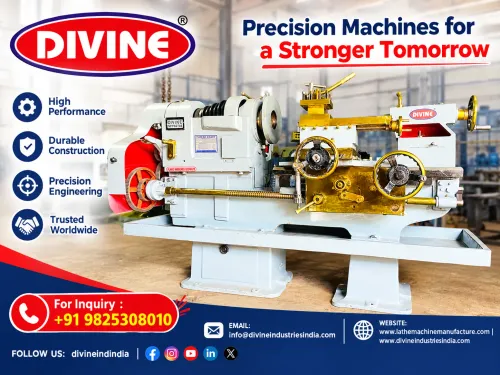
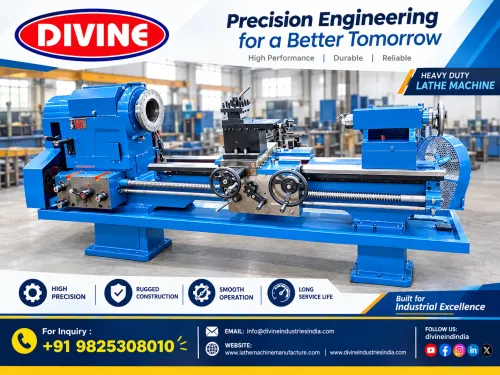
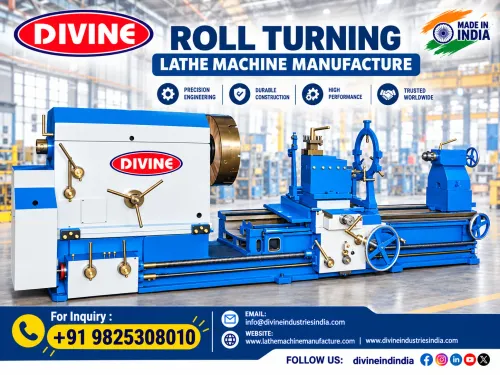
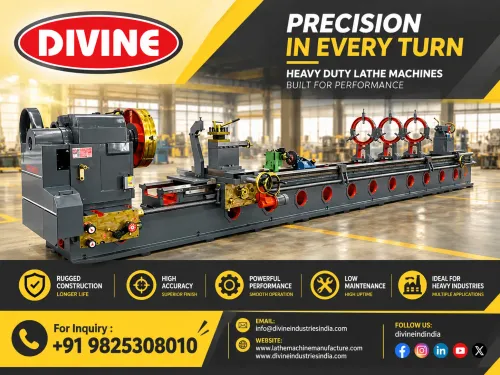
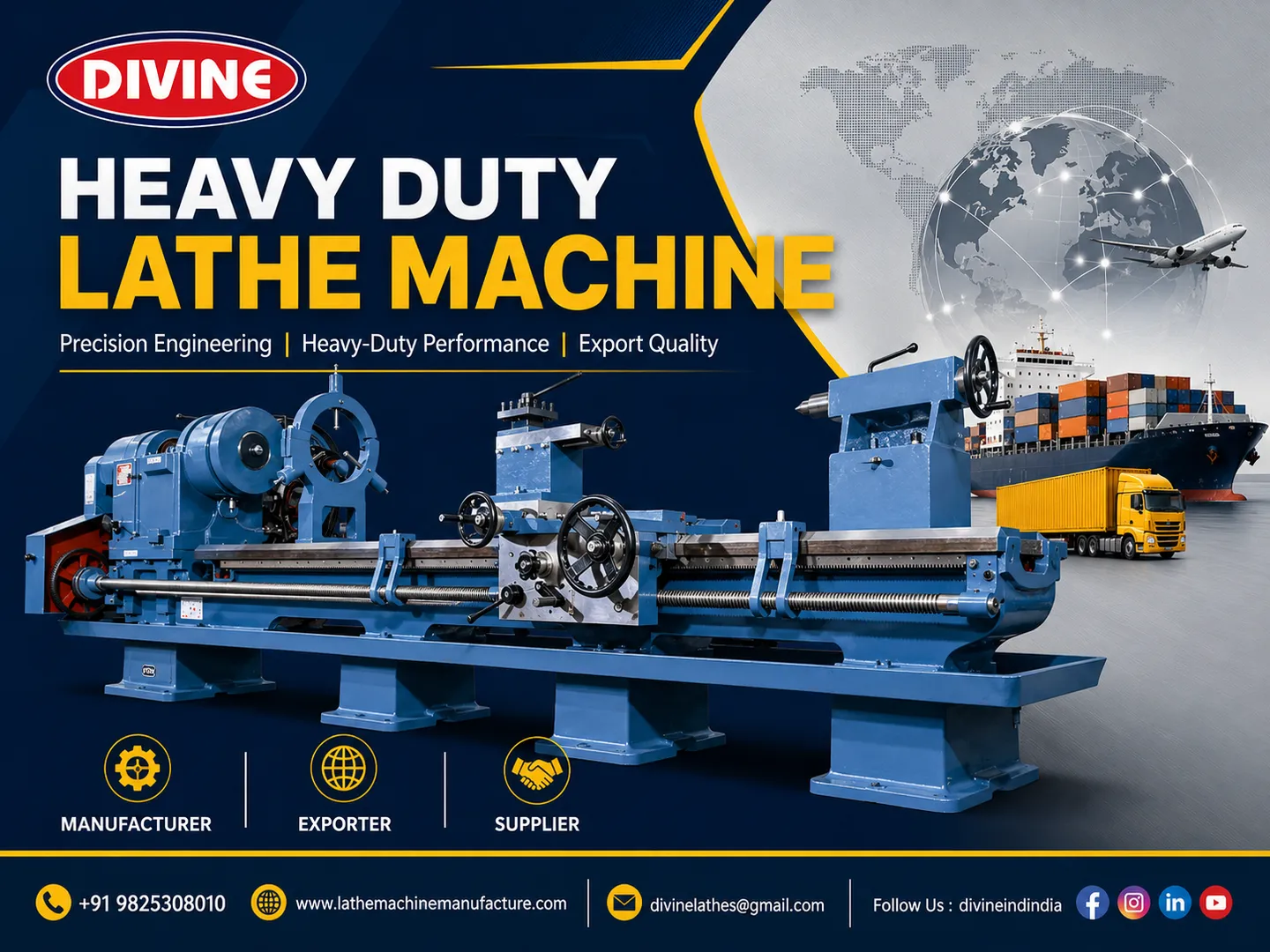
The machine shown in the image represents a robust industrial configuration developed for applications where strength and consistent performance are important. Its extended bed provides useful working space for machining longer components, while the solid machine structure supports controlled cutting operations.
Precision Where It Matters
Industrial machining requires dimensional consistency. Even a small variation can affect assembly, component life, and overall production quality. A precision-oriented lathe machine is therefore designed to maintain accurate movement of the carriage, tool post, spindle, and tailstock during operation.
With proper setup, tooling, lubrication, and maintenance, a precision lathe machine can support repeatable machining across a wide range of components. This makes it suitable for engineering workshops, fabrication units, maintenance departments, and heavy manufacturing industries.
Versatile Machining Capabilities
One of the major advantages of a conventional heavy-duty lathe is its versatility. Depending on the machine configuration and tooling, it can be used for:
- Turning cylindrical components
- Facing and shoulder machining
- Internal and external threading
- Boring operations
- Drilling and centre work
- Taper turning
- Shaft and sleeve machining
- Repair and maintenance applications
- Custom engineering components
This versatility allows manufacturers to handle different production requirements on a single machine platform.
Suitable for Large Components
Standard workshop lathes may not always provide the required working capacity for oversized components. A heavy duty lathe machine is intended for applications where larger workpieces, higher cutting loads, and extended machining lengths are involved.
Industries such as general engineering, power equipment, heavy fabrication, automotive component manufacturing, machinery repair, and industrial maintenance can benefit from machines designed around these requirements.
Why Machine Rigidity Is Important
During heavy cutting, the machine experiences significant forces. If the structure lacks rigidity, vibration can develop and machining accuracy may suffer. A strong bed, properly aligned components, stable supports, and a dependable drive system help create a more controlled machining environment.
For manufacturers, this can translate into better surface finish, improved dimensional control, longer tool life, and more consistent production.
Designed for Export-Oriented Manufacturing
Today, industrial machinery is not limited to local markets. Manufacturers increasingly supply equipment to customers across international markets. An export quality lathe machine should therefore combine dependable construction with professional finishing, practical operation, and careful quality control.
For an equipment manufacturer and exporter, presenting machinery professionally is also important because overseas buyers often evaluate construction quality, technical capabilities, customization options, documentation, and after-sales support before making a purchase decision.
Choosing the Right Lathe Machine
The correct machine should be selected according to the actual machining requirements rather than simply choosing the largest available model. Important factors include centre height, distance between centres, spindle bore, maximum workpiece size, motor capacity, bed rigidity, chuck configuration, threading requirements, and available accessories.
Manufacturers should also consider the type of materials being machined and the expected production workload. A properly specified machine can provide better productivity and avoid unnecessary investment in unsuitable capacity.
Maintenance for Long-Term Performance
Even a robust lathe machine requires regular care. Operators should routinely inspect lubrication points, clean the bed and working surfaces, check belts and drive components, maintain proper alignment, and inspect chuck and tooling conditions.
Good operating practices are equally important. Correct cutting speeds, suitable feed rates, sharp tooling, secure workholding, and proper machine setup can contribute significantly to machining performance and equipment life.
A Reliable Choice for Industrial Machining
A heavy-duty lathe is more than a conventional workshop machine—it is an important production asset for industries handling demanding machining work. With its combination of strength, versatility, working capacity, and precision-focused construction, it can support a wide range of industrial applications.
Divine focuses on manufacturing and supplying industrial lathe machines with an emphasis on robust engineering and dependable performance. For businesses looking for a lathe machine manufacturer, exporter, or supplier, selecting the right configuration based on application and component requirements is the first step toward achieving efficient and consistent machining.
Contact Divine
Manufacturer • Exporter • Supplier
Keywords