Heavy Duty Lathe Machine Exporter – Reliable Machining Solutions for Industrial Applications
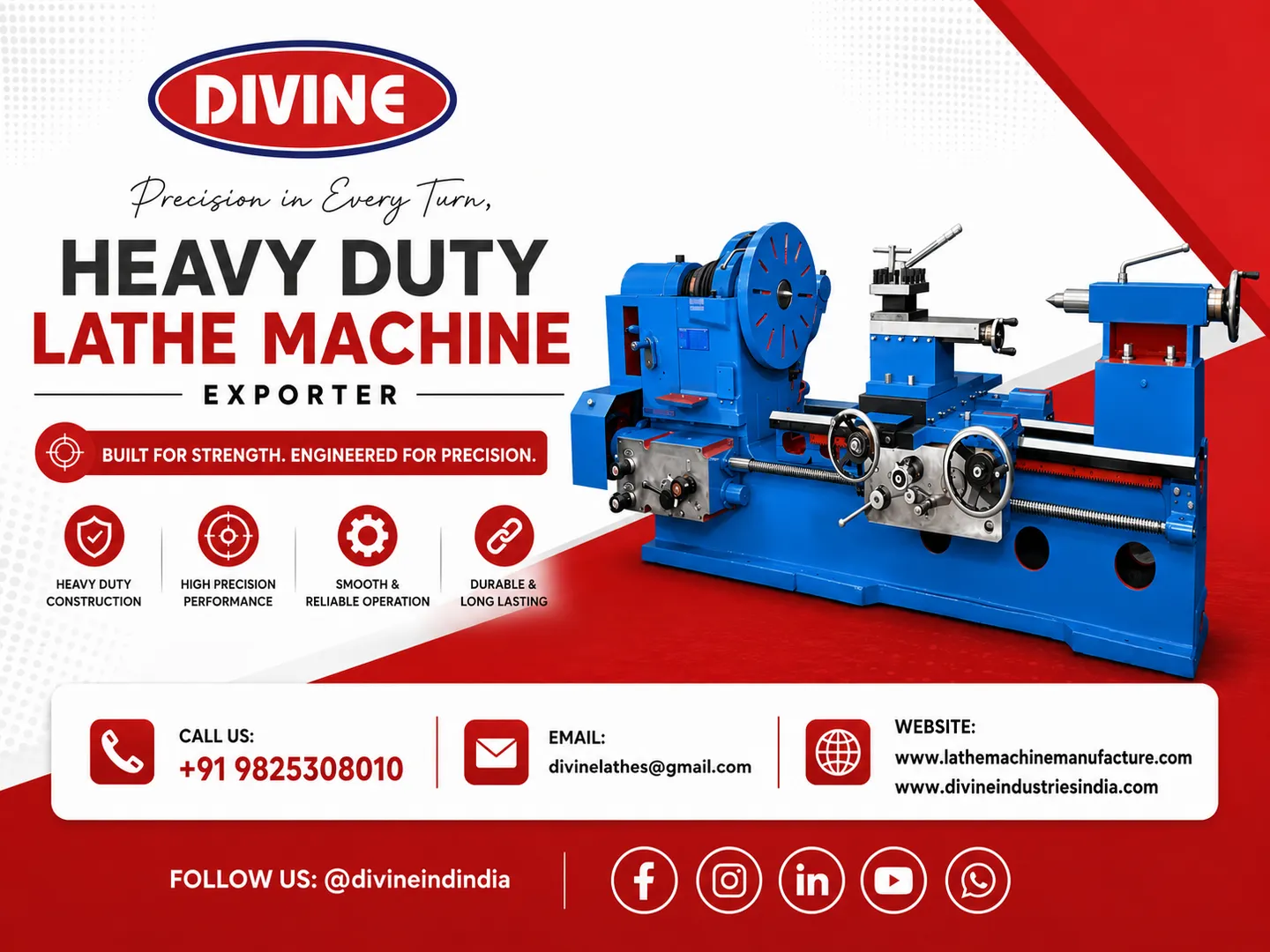
When industries work with large, heavy, or difficult-to-machine components, equipment strength and stability become essential. A Heavy Duty Lathe Machine Exporter provides industrial turning machines designed to handle demanding machining operations while maintaining dependable performance over extended production cycles.
Heavy duty lathe machines are widely used in engineering workshops, fabrication industries, maintenance plants, automobile component manufacturing, power equipment production, pump and valve manufacturing, and other sectors where robust machining capability is required.
What Is a Heavy Duty Lathe Machine?
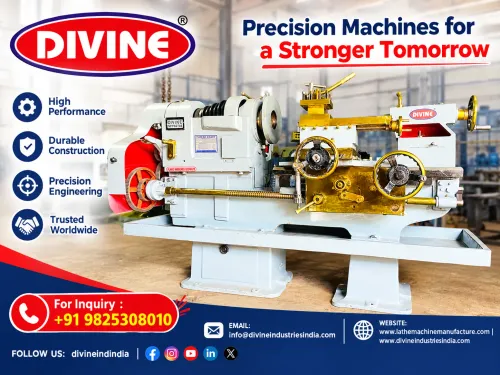
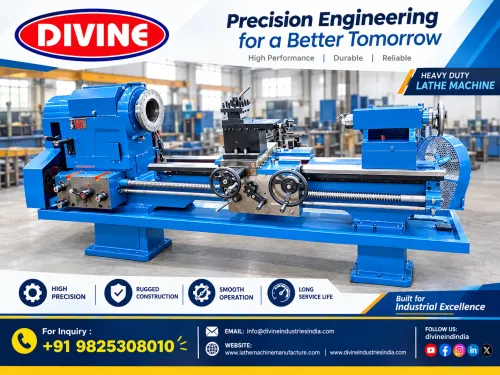
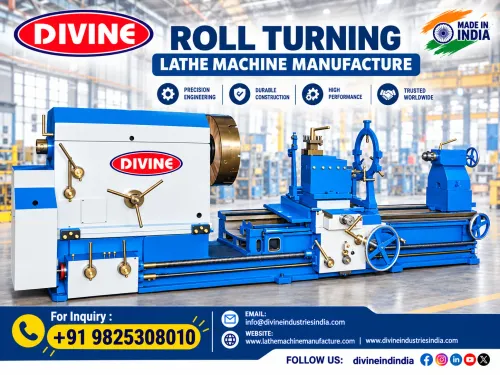
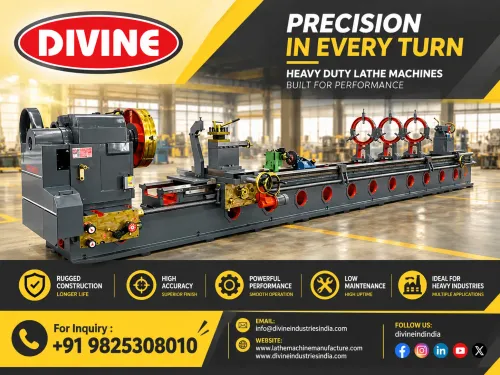
A heavy duty lathe machine is an industrial machine tool engineered for machining large and heavy workpieces. The rotating workpiece is secured in the chuck, while cutting tools remove material to achieve the required diameter, length, thread, or surface finish.
Compared with conventional machines, heavy duty lathes generally focus on greater structural rigidity, higher load-handling capability, stable cutting performance, and long-term industrial operation.
Typical operations include:
- Turning
- Facing
- Thread cutting
- Boring
- Drilling
- Taper turning
- Chamfering
- Internal and external machining
Why Choose a Professional Heavy Duty Lathe Machine Exporter?
For international buyers, selecting the right exporter is an important part of purchasing industrial machinery. A reliable heavy duty lathe machine exporter should be able to understand application requirements and provide a machine configuration suitable for the intended workload.
A professional manufacturer-exporter can assist with:
- Machine specification selection
- Different bed lengths and centre heights
- Spindle bore requirements
- Motor and drive configurations
- Application-specific customization
- Quality inspection
- Export packaging
- Shipping documentation
- Technical guidance
This approach allows buyers to evaluate the machine according to performance and application instead of focusing only on the initial purchase price.
Strong Construction for Heavy Machining
The foundation of a heavy duty lathe is its mechanical construction. A rigid bed and properly supported machining components help maintain stability when working with large workpieces and higher cutting loads.
A robust structure can also help control vibration during machining, which is important when manufacturers need consistent dimensions and satisfactory surface finishes.
The machine should be selected according to the size and weight of the components that will be processed. Correct machine selection can improve operating efficiency and help prevent unnecessary mechanical stress.
Industrial Applications
Heavy duty lathe machines are suitable for a broad range of industrial requirements. They can be used for machining shafts, rollers, pipes, cylinders, flanges, bushings, rings, and other large cylindrical components.
Common industries include:
- General engineering
- Heavy fabrication
- Automobile and automotive components
- Power equipment
- Pump and valve manufacturing
- Steel and metal industries
- Oil and gas equipment manufacturing
- Repair and maintenance workshops
- Industrial machinery manufacturing
Important Specifications to Consider
Before purchasing a heavy duty lathe machine, buyers should carefully review the specifications that directly affect their production requirements.
Important factors include:
Maximum Turning Diameter: Determines the approximate workpiece size the machine can accommodate.
Distance Between Centres: Helps establish the maximum machining length available between the headstock and tailstock.
Spindle Bore: Important when machining long bars, shafts, and components that need to pass through the spindle.
Centre Height: Indicates the working height between the spindle centreline and machine bed.
Spindle Speed: Determines the available rotational speed range for different machining operations.
Motor Capacity: Should be suitable for the material, component size, and cutting conditions.
Bed Length and Width: Influence machine rigidity, working space, and overall stability.
Heavy Duty Lathe Machines for Export Markets
International machinery buyers often require equipment prepared according to specific production and transportation conditions. Export-ready machinery needs suitable protective packing and proper documentation to support safe delivery.
An experienced exporter understands that successful machinery supply involves coordination from manufacturing and inspection through packing and shipment.
Clear communication about machine specifications, accessories, electrical requirements, installation conditions, and application needs can also make the purchasing process smoother for overseas customers.
How to Select the Right Machine
The best heavy duty lathe machine is not necessarily the largest machine available. It should match the actual requirements of the workshop.
Before ordering, consider:
- Size and weight of the workpieces
- Maximum turning diameter required
- Required machining length
- Spindle bore requirement
- Material being machined
- Type of machining operations
- Production volume
- Required accuracy and surface finish
- Available workshop space
- After-sales and technical support
Discussing these requirements with the manufacturer can help identify a practical and cost-effective machine configuration.
Conclusion
A Heavy Duty Lathe Machine Exporter serves industries that require dependable machining equipment for demanding applications. From robust construction and stable cutting to application-based configurations and export support, the right machine can contribute to efficient and consistent production.
For international buyers, it is important to compare machine construction, specifications, manufacturing quality, customization options, and supplier support before making a decision. Choosing a capable manufacturer-exporter can provide a stronger foundation for long-term industrial machining performance.
Keywords