How to Select a Heavy Duty Lathe Machine: A Complete Buying Guide
Selecting the right heavy duty lathe machine is an important decision for manufacturing companies, engineering workshops, fabrication units, and industries involved in large-scale machining. The right machine can improve machining accuracy, production efficiency, component quality, and long-term operational reliability.
With different sizes, specifications, spindle capacities, bed lengths, and configurations available, buyers should evaluate the machine according to their actual production requirements rather than choosing only on price.
What Is a Heavy Duty Lathe Machine?
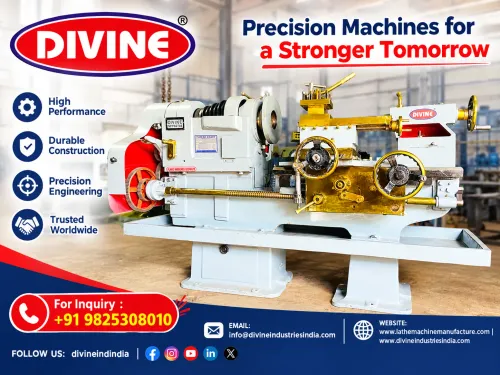
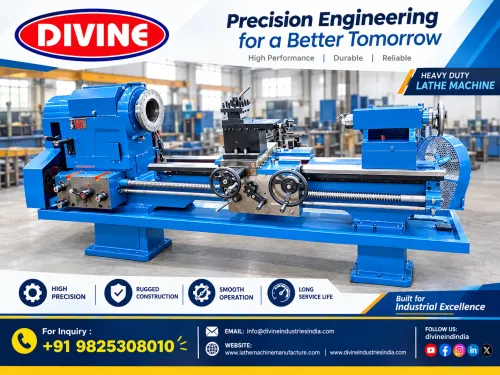
A heavy duty lathe machine is an industrial machine tool designed for machining large, heavy, and demanding workpieces. It is commonly used for turning, facing, threading, boring, drilling, and other cylindrical machining operations.
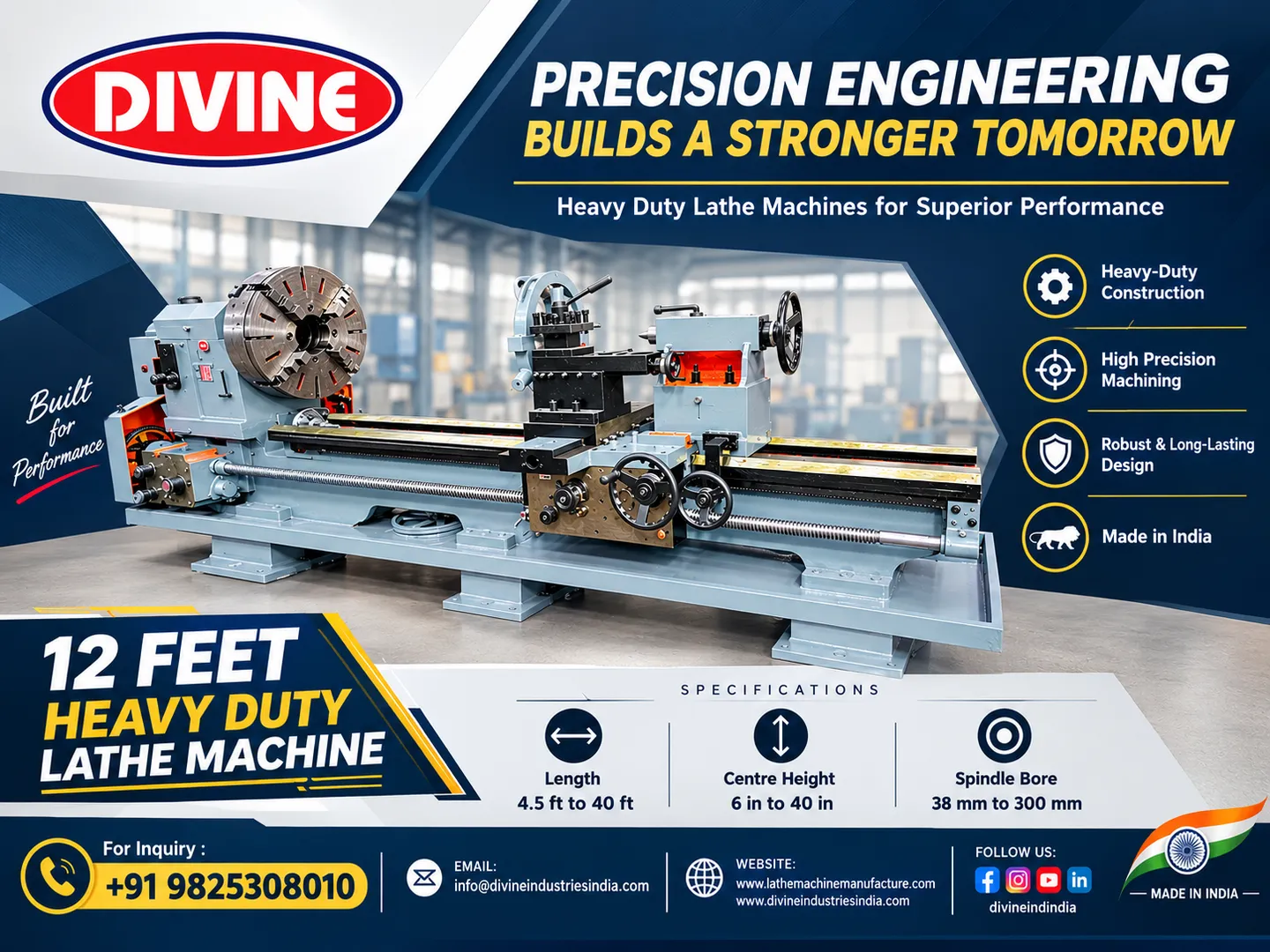
Heavy-duty construction generally includes a rigid machine bed, powerful spindle system, strong headstock, robust carriage, and reliable drive mechanism. These features help the machine handle high loads and demanding machining conditions.
Key Factors to Consider Before Selecting a Heavy Duty Lathe Machine
1. Determine the Required Swing Over Bed
The swing over bed indicates the maximum diameter of a workpiece that can rotate over the machine bed.
Before purchasing a machine, consider the maximum diameter of components you regularly manufacture. Selecting an appropriate swing capacity provides sufficient working clearance and allows greater flexibility for future jobs.
2. Select the Correct Centre Height
Centre height is another important specification when choosing a heavy duty lathe.
It determines the approximate maximum radius of the workpiece that can be machined around the spindle centreline. For large industrial components, a higher centre height may be required.
Choose the centre height based on your current component dimensions and expected future production requirements.
3. Choose the Appropriate Bed Length
The required lathe machine bed length depends on the maximum component length you need to machine.
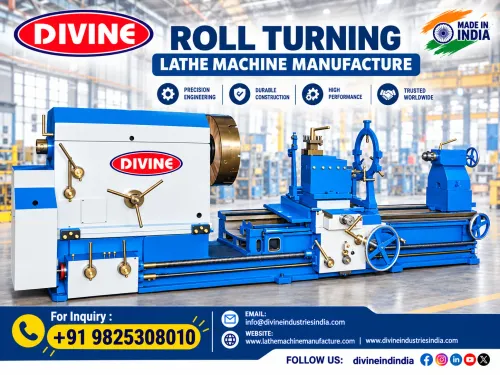
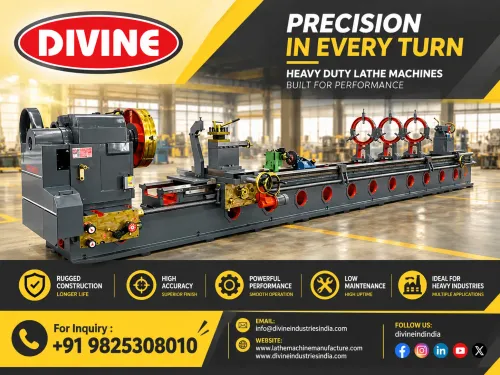
For longer shafts, rollers, pipes, cylinders, and other extended components, a longer bed provides the necessary machining distance.
A suitable bed length can help avoid unnecessary limitations when handling large workpieces.
4. Check Spindle Bore Capacity
The spindle bore determines the approximate diameter of material that can pass through the spindle.
If your production involves long shafts, tubes, bars, or other components that need to pass through the spindle, spindle bore becomes particularly important.
Always compare the required material diameter with the machine's spindle bore before making a purchase.
5. Evaluate Machine Bed Construction
Machine rigidity directly affects machining performance.
A heavy-duty lathe should have a strong and rigid bed capable of supporting large workpieces and resisting vibration during machining. A well-designed bed can contribute to improved stability, surface finish, and dimensional consistency.
For demanding industrial applications, buyers should pay close attention to the quality of casting, bed design, guideways, and overall machine construction.
6. Consider Motor and Drive Power
Large workpieces and heavy cutting operations can require substantial power.
Check the lathe machine motor capacity, spindle speed range, torque characteristics, and drive system according to the materials and cutting operations involved.
The objective is to select a machine that provides suitable power without paying for unnecessary capacity.
7. Check the Spindle Speed Range
Different machining operations require different spindle speeds.
A suitable speed range provides greater flexibility for machining various materials and component sizes. Ask the manufacturer about available spindle speeds and how the selected configuration matches your intended applications.
8. Examine Carriage and Tailstock Design
The carriage should provide smooth and stable movement during turning operations. For heavy-duty work, the tailstock must also provide adequate support for long components.
Check the carriage dimensions, cross-slide movement, tailstock capacity, quill design, and locking mechanisms before selecting a machine.
9. Consider Threading and Feed Requirements
If the machine will be used for regular threading operations, check the available thread ranges and feed configurations.
Different industries may require metric, inch, module, or other threading capabilities. Discuss your actual machining requirements with the manufacturer so the machine can be configured appropriately.
10. Look at Customization Options
Every manufacturing unit has different production requirements. A standard machine may not always be the ideal configuration.
Depending on the manufacturer, a customized heavy duty lathe machine may be available with different bed lengths, centre heights, spindle bores, motors, chucks, threading arrangements, and other specifications.
Customization can help match the machine more closely to your workpiece and production requirements.
Why Choosing the Right Manufacturer Matters
The machine specification is only one part of the purchasing decision. The manufacturer's engineering experience, manufacturing quality, inspection process, technical support, and availability of spare parts can also affect the long-term ownership experience.
When comparing a heavy duty lathe machine manufacturer, ask for detailed technical specifications and clarify installation, commissioning, warranty, maintenance, and after-sales support.
Match the Machine to Your Actual Work
Before requesting a quotation, prepare basic information about your production requirements:
- Maximum workpiece diameter
- Maximum workpiece length
- Required centre height
- Required spindle bore
- Workpiece material
- Typical cutting operations
- Threading requirements
- Desired production capacity
- Required motor power
- Available workshop space
Providing these details allows the manufacturer to recommend a more suitable machine configuration.
Heavy Duty Lathe Machine for Industrial Applications
Heavy-duty lathes are commonly used for machining components in industries such as:
- General engineering
- Steel and fabrication
- Power equipment manufacturing
- Oil and gas equipment
- Railway component manufacturing
- Heavy machinery
- Automotive component production
- Industrial repair and maintenance
- Pumps and valves
- Large shaft and roller manufacturing
The required machine specifications can vary significantly between applications, so the machine should be selected according to the actual component and machining process.
Final Thoughts
Choosing a heavy duty lathe machine should be based on machining requirements, component dimensions, machine rigidity, spindle capacity, power, accuracy, and long-term production needs.
Instead of selecting a machine solely on its purchase price, evaluate the complete machine configuration and the manufacturer's technical capabilities. A properly selected lathe can provide a dependable foundation for demanding machining operations and future production requirements.
The right lathe machine is not simply the largest machine available—it is the machine whose specifications are correctly matched to your work.
Keywords