Industrial Lathe Machine Exporter – Precision Machinery for Global Manufacturing
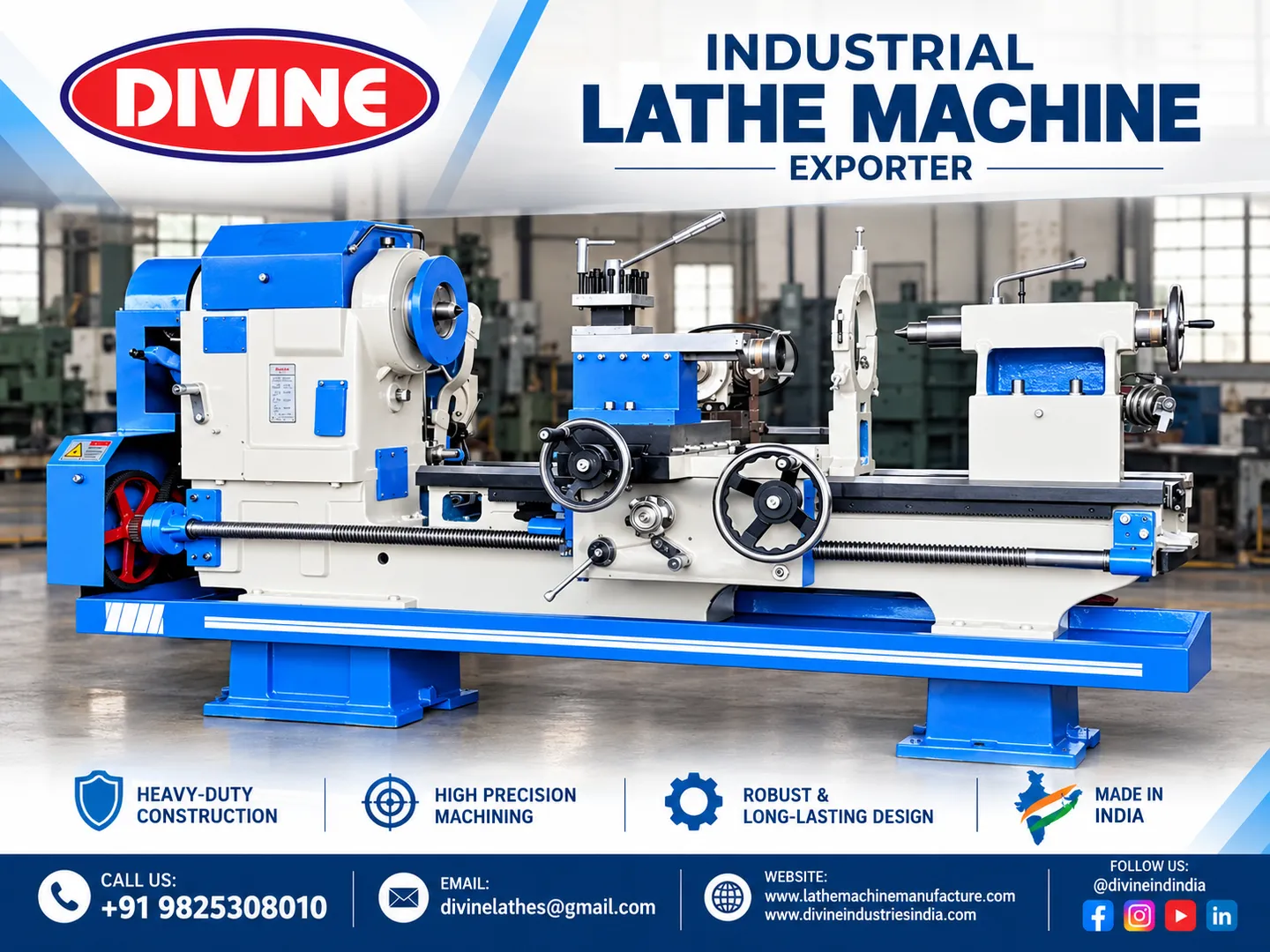
An Industrial Lathe Machine Exporter plays an important role in supplying reliable machining equipment to industries across international markets. Modern manufacturing requires machines that can deliver consistent accuracy, strong performance, and dependable operation over long production cycles. Industrial lathe machines are designed to meet these requirements while supporting a wide range of turning and machining applications.
What Is an Industrial Lathe Machine?
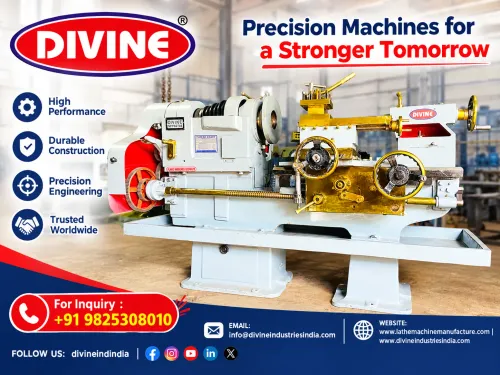
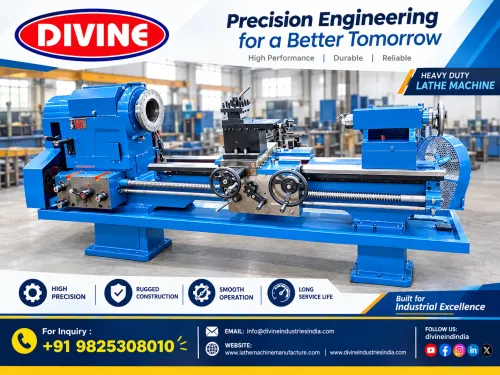
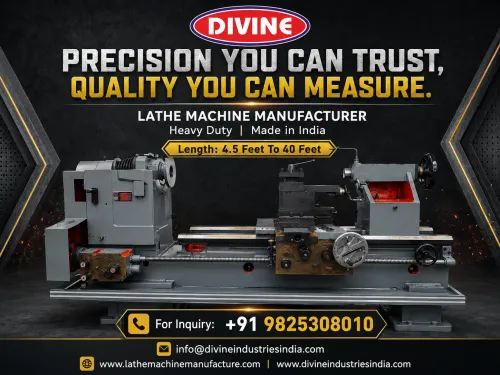
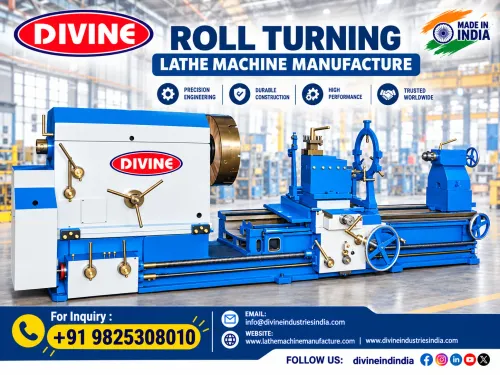
An industrial lathe machine is a machine tool used to rotate a workpiece while a cutting tool removes material to achieve the required shape and dimensions. Depending on the machine configuration, it can perform operations such as turning, facing, threading, boring, drilling, chamfering, and taper machining.
Heavy-duty and precision lathe machines are commonly used for components that require controlled dimensions and repeatable results. Machine specifications can be selected according to workpiece size, material, production requirements, and application.
Why Choose an Experienced Lathe Machine Exporter?
Choosing the right exporter is important when purchasing industrial machinery for overseas production. A professional exporter should understand international customer requirements, machine specifications, packaging, documentation, and shipment coordination.
An experienced industrial lathe machine exporter can provide:
- Heavy-duty machine construction
- Precision machining capability
- Different machine lengths and centre heights
- Suitable spindle bore configurations
- Application-based machine selection
- Quality inspection before dispatch
- Export-oriented packing
- Technical assistance and customer support
These factors help international buyers select machinery that matches their production needs rather than simply choosing a machine based on price.
Industrial Lathe Machines for Different Applications
Industrial lathes are used in many manufacturing sectors, including engineering workshops, fabrication units, automobile component production, maintenance facilities, pump and valve manufacturing, and general industrial machining.
Depending on the application, buyers may require standard centre lathes, heavy-duty lathe machines, long-bed machines, precision lathes, or specially configured machines. The correct selection depends on factors such as maximum workpiece diameter, machining length, spindle bore, motor capacity, speed range, and required accuracy.
Focus on Strength, Accuracy and Productivity
A dependable lathe machine should combine mechanical strength with accurate machining performance. A rigid machine structure helps reduce unwanted vibration during cutting, while a properly designed spindle and carriage system supports smooth operation.
For production environments, machine reliability is equally important. Easy maintenance, accessible components, durable construction, and suitable operating controls can contribute to lower downtime and more consistent manufacturing output.
Exporting Lathe Machines to International Markets
Exporting industrial machinery requires more than manufacturing the equipment. The machine must be prepared carefully for transportation and international handling. Proper packing, documentation, inspection, and shipment coordination are essential parts of the export process.
For overseas buyers, working with a manufacturer-exporter can simplify communication because technical specifications, customization requirements, quality checks, and dispatch arrangements can be coordinated directly with the manufacturing team.
Choosing the Right Industrial Lathe Machine
Before placing an order, buyers should evaluate the machine according to their actual machining requirements. Important specifications may include:
- Maximum turning diameter
- Distance between centres
- Centre height
- Spindle bore
- Spindle speed range
- Motor capacity
- Bed construction
- Threading and feed arrangements
- Machine dimensions
- Available customization options
A detailed discussion with the manufacturer can help determine the appropriate configuration for a particular application.
Conclusion
A quality Industrial Lathe Machine Exporter provides more than machinery; it provides a complete industrial machining solution built around performance, durability, accuracy, and dependable service. For international manufacturers, selecting a trusted supplier with strong engineering capabilities and export experience can make a significant difference in long-term machine performance.
With the right industrial lathe machine, manufacturers can improve machining consistency, handle demanding components, and build a more reliable production process. For buyers looking for industrial turning equipment, comparing specifications, construction quality, application suitability, and manufacturer support is the right approach to making a confident investment.
Keywords