Lathe Machine Dealer Near Me: How to Find the Right Lathe Machine Supplier
Are you searching for a lathe machine dealer near me to purchase a reliable machine for your workshop, manufacturing unit, or engineering business? Choosing the right lathe machine supplier is an important decision that can affect your production quality, machining accuracy, and long-term operating costs.
Whether you need a conventional lathe machine for everyday machining or a heavy-duty lathe for industrial applications, finding a supplier who understands your requirements can make the buying process easier.
In this guide, we will explain how to choose a lathe machine dealer, which factors to consider before purchasing, and how to select a suitable machine for your business.
Why Choosing the Right Lathe Machine Dealer Matters
A lathe machine is an essential piece of equipment in many engineering and manufacturing industries. It is used for operations such as turning, facing, threading, drilling, and other machining processes.
When you choose an experienced lathe machine dealer, you can discuss your production requirements and identify a machine that matches your workload and budget.
A reliable supplier should help you understand machine specifications, available models, installation requirements, spare parts availability, and after-sales support.
Types of Lathe Machines Available
Before contacting a lathe machine dealer near you, understand which type of machine suits your application.
1. Conventional Lathe Machine
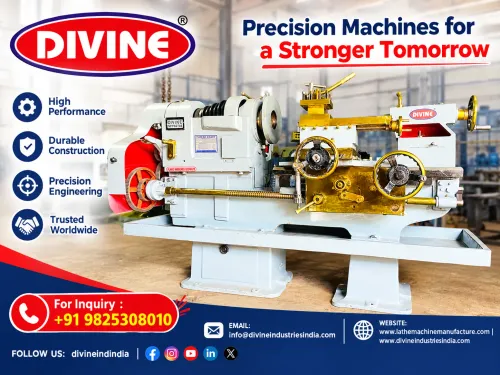
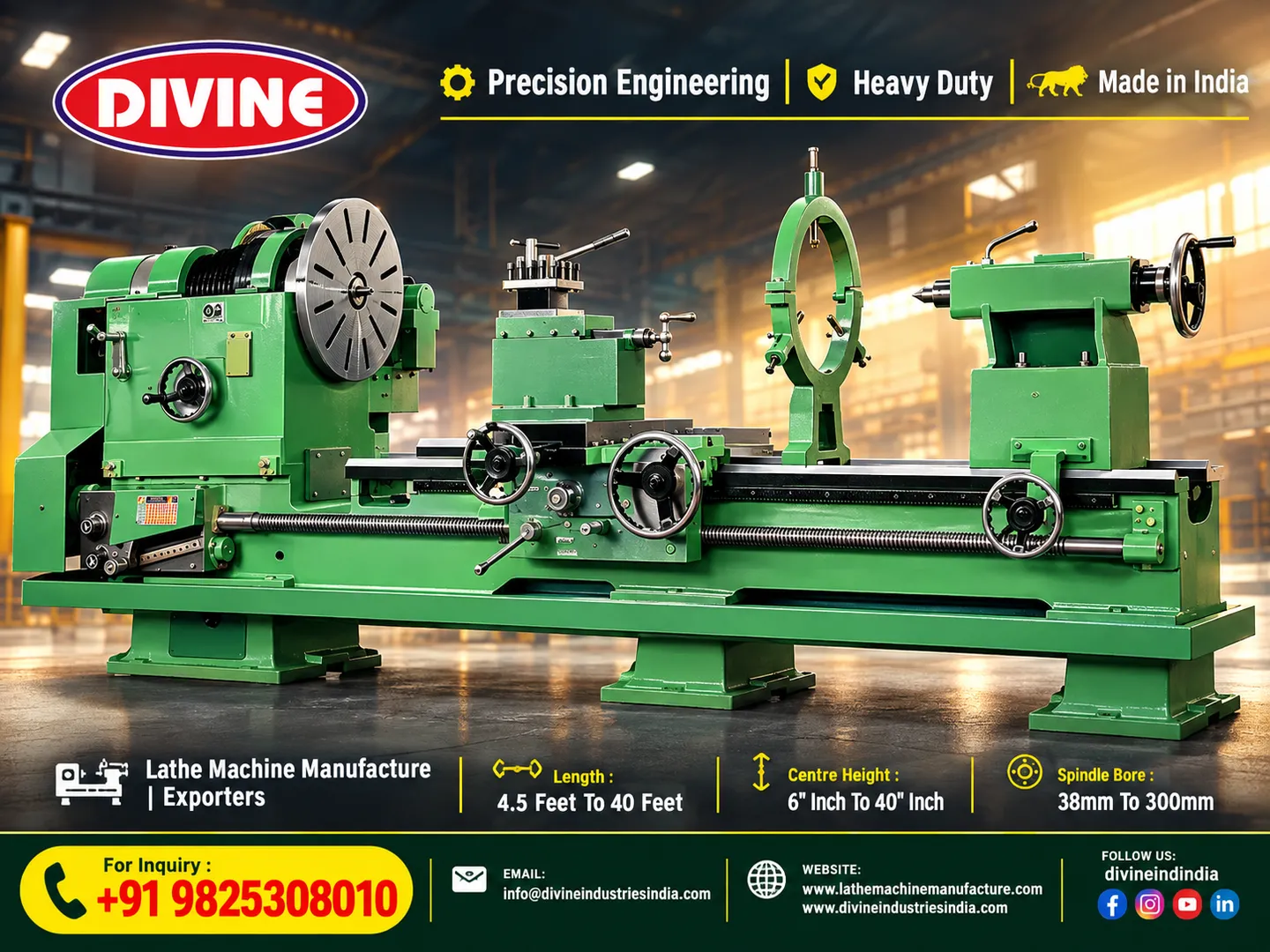
Conventional lathe machines are widely used in workshops, maintenance departments, tool rooms, and general engineering applications. They are suitable for common turning, facing, and threading operations.
2. Heavy-Duty Lathe Machine
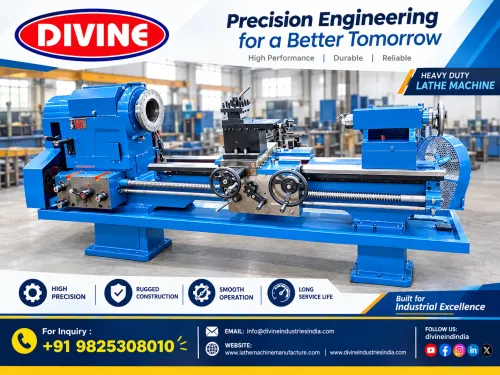
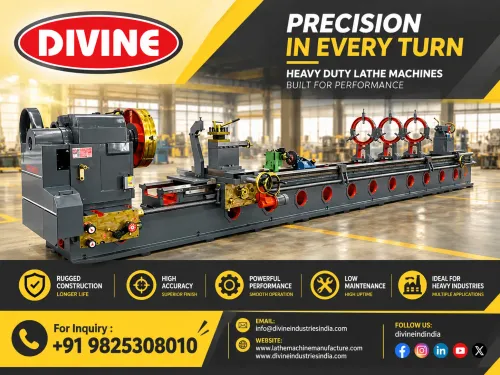
Heavy-duty lathe machines are designed for machining larger or heavier workpieces, depending on the machine's capacity and configuration. They are commonly considered for industrial manufacturing, fabrication, and heavy engineering applications.
3. Extra-Long Bed Lathe Machine
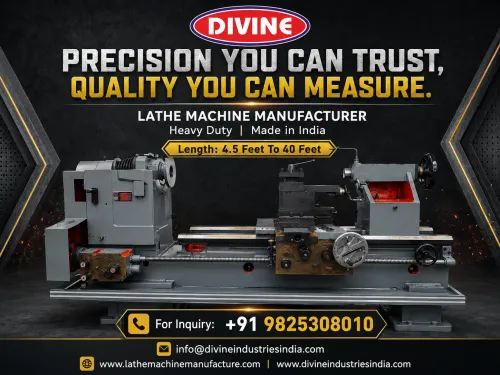
Extra-long bed lathe machines are useful when a workshop needs to machine long shafts, rollers, pipes, or other extended components. Before purchasing, check the required turning length and the machine's maximum workpiece capacity.
4. Special-Purpose Lathe Machine
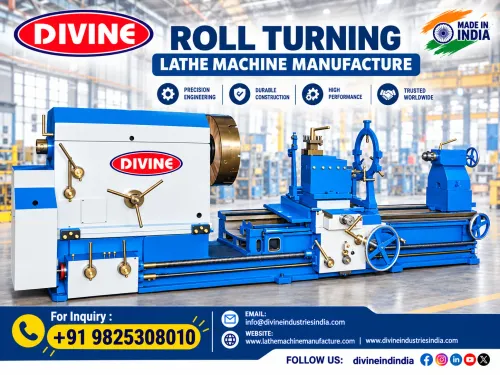
Special-purpose machines are designed for particular machining requirements. The correct configuration depends on the component dimensions, material, production volume, and machining operations.
How to Choose the Best Lathe Machine Dealer Near Me
Finding a nearby supplier is only the first step. Consider these factors before making a purchase.
Machine specifications: Check the distance between centres, centre height, spindle bore, bed length, motor capacity, and maximum workpiece diameter.
Build quality: Review the machine's construction, bed rigidity, components, and suitability for your intended workload.
Application knowledge: Choose a supplier who can understand your machining requirements and explain the differences between available models.
After-sales service: Ask about installation, maintenance assistance, warranty coverage, and technical support.
Spare parts availability: Confirm the availability of commonly required replacement parts and consumables.
Pricing and value: Compare quotations, included accessories, delivery charges, warranty terms, and service commitments instead of considering the purchase price alone.
Where Are Lathe Machines Used?
Lathe machines are used across a wide range of industries, including:
- General engineering workshops
- Automobile component manufacturing
- Industrial equipment production
- Heavy engineering and fabrication
- Tool rooms and maintenance workshops
- Shaft, roller, and cylindrical component manufacturing
The machine capacity you need will depend on the size, weight, material, and quantity of the components you plan to produce.
Important Specifications to Check Before Buying
Before finalising your order, prepare a list of your machining requirements.
- Distance between centres: Determines the approximate maximum length of workpiece that can be accommodated.
- Centre height: Helps establish the maximum workpiece diameter that can be turned over the bed.
- Spindle bore: Important when machining long bars or components that pass through the spindle.
- Bed length: Consider the component length and the working clearance required.
- Spindle speed: Check whether the available speed range suits your materials and machining operations.
- Motor power: Ensure the motor is appropriate for your intended cutting load.
- Accuracy requirements: Discuss the tolerances and surface finish required for your components.
Providing these details to your supplier can help narrow down suitable machine options.
Why Consider a Manufacturer-Direct Lathe Machine Supplier?
If you are planning to invest in a new lathe machine, contacting a manufacturer or an authorised supplier may help you obtain product information directly and understand the available configurations.
Depending on the supplier, you may be able to discuss custom machine specifications, technical requirements, delivery arrangements, installation, and warranty terms.
For businesses purchasing heavy-duty or long-bed lathe machines, it is especially important to confirm that the proposed machine can accommodate the workpieces used in your production process.
Questions to Ask Your Lathe Machine Supplier
Before placing an order, ask the supplier:
- Which machine model is suitable for my application?
- What are the machine's maximum turning diameter and turning length?
- What spindle bore and speed range are available?
- Which accessories are included in the quotation?
- What warranty and after-sales support are provided?
- What are the delivery and installation arrangements?
- Are spare parts and maintenance assistance available?
Getting clear answers will help you compare suppliers and make an informed purchase decision.
Conclusion
Searching online for a lathe machine dealer near me is a practical way to begin your equipment search. However, the right machine should be selected according to your production requirements, workpiece dimensions, accuracy needs, machine specifications, and service expectations.
Take time to compare machine models, review technical details, and discuss your application with a knowledgeable supplier. A carefully selected lathe machine can support consistent machining performance and your workshop's long-term production needs.
Looking for a lathe machine for your workshop or industrial unit? Contact a suitable manufacturer or supplier to discuss your requirements and request a quotation.
Frequently Asked Questions (FAQs)
1. How do I find a lathe machine dealer near me?
Search online using your city or industrial area along with the phrase “lathe machine dealer.” Compare machine specifications, supplier experience, service availability, and customer feedback before contacting a dealer.
2. Which lathe machine is suitable for a small workshop?
A conventional lathe machine may suit general turning and repair work. The required capacity depends on the workpiece size, materials, accuracy requirements, and production volume.
3. What should I check before buying a heavy-duty lathe machine?
Check the maximum turning diameter, distance between centres, spindle bore, bed length, motor power, machine construction, warranty, and after-sales service.
4. Can I buy a lathe machine directly from a manufacturer?
Many manufacturers sell directly or through authorised dealers. Contact the supplier to confirm available models, pricing, delivery, installation, and service arrangements.
5. How can I compare lathe machine prices?
Compare quotations for machines with similar specifications. Consider the included accessories, taxes, transportation, installation, warranty, and maintenance support before making your decision.
Keywords