Lathe Machine for Foundry Industry: Improving Precision and Productivity
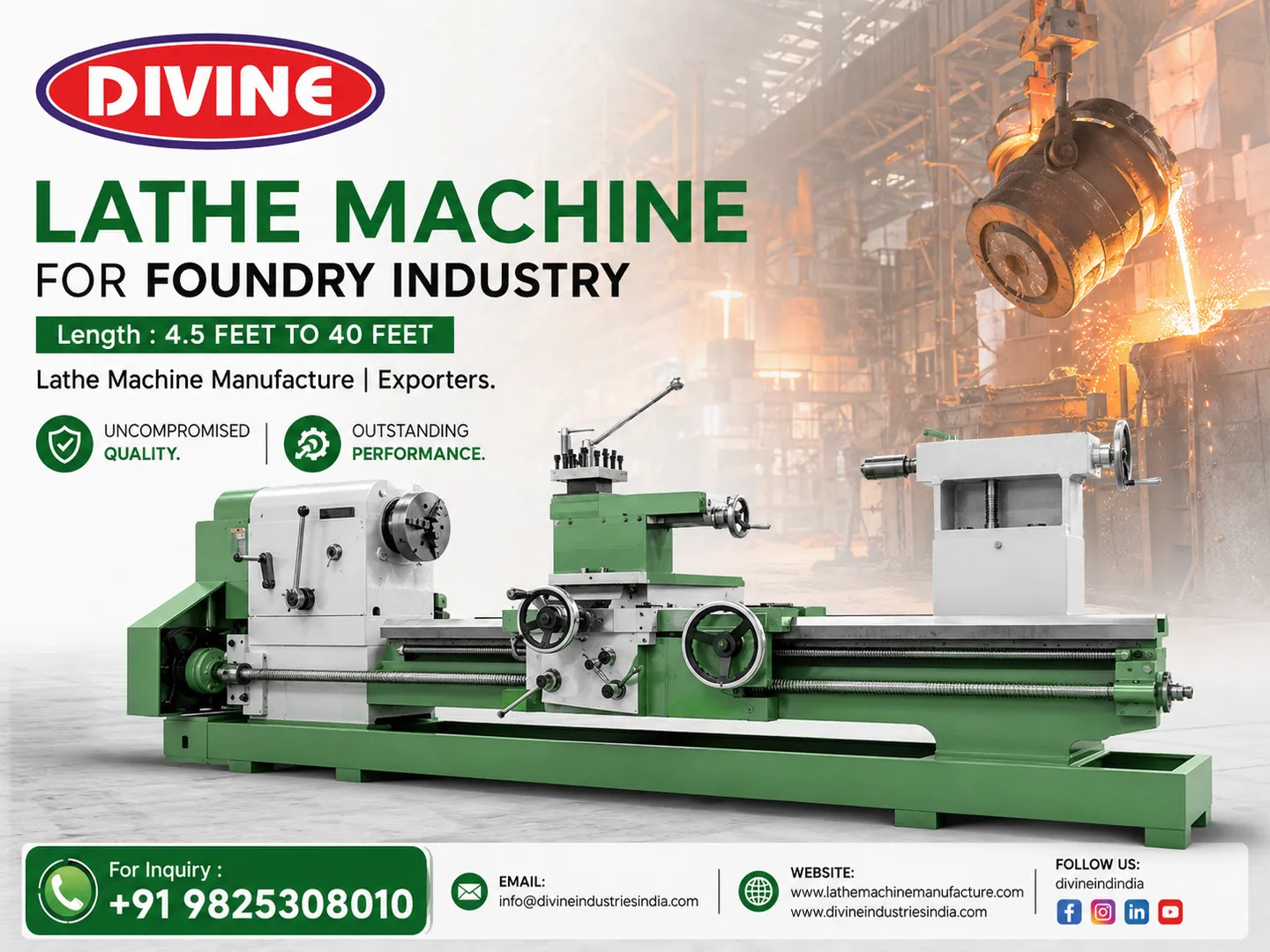
The foundry industry plays an important role in manufacturing by producing metal castings used in automobiles, machinery, construction equipment, pumps, valves, and many other applications. After casting, many components require machining to achieve the required dimensions, surface finish, and accuracy. This is where a lathe machine for the foundry industry becomes highly useful.
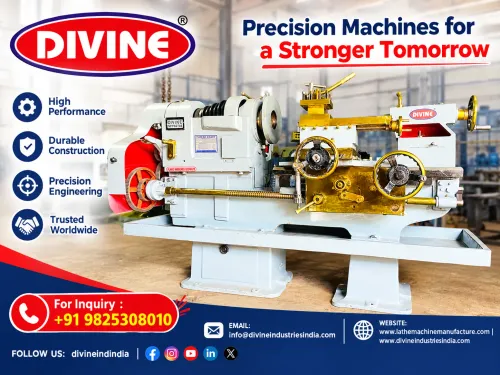
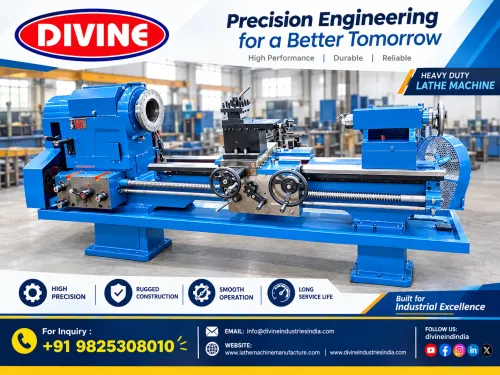
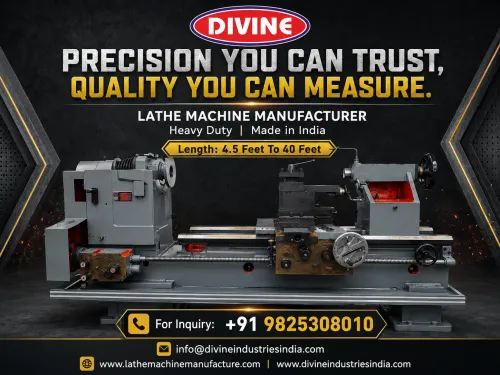
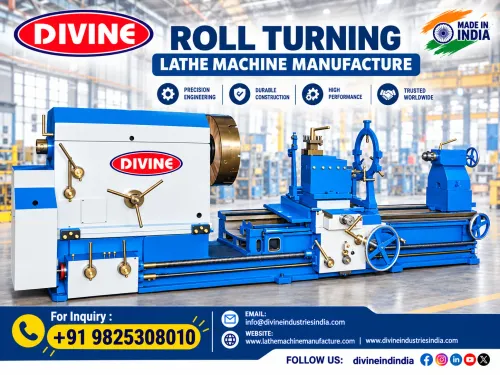
Lathe machines are designed to remove unwanted material from a rotating workpiece and produce accurate cylindrical, conical, threaded, or stepped components. For foundries, these machines provide an effective solution for machining cast components and preparing them for assembly or further manufacturing processes.
What Is a Lathe Machine for the Foundry Industry?
A lathe machine is a machine tool used to hold and rotate a workpiece while a cutting tool removes material from its surface. In foundry applications, lathes are commonly used for machining cast components that require dimensional correction, smooth surfaces, holes, threads, or other precise features.
Castings often have uneven surfaces, excess material, or machining allowances. A suitable industrial lathe machine can efficiently remove this excess material and bring the component closer to its final specifications.
Why Lathe Machines Are Important in Foundries
Casting provides the basic shape of a component, but the casting process alone may not provide the accuracy needed for final use. Machining is therefore an essential post-casting operation.
A lathe machine for foundry applications helps manufacturers:
- Remove excess casting material
- Achieve accurate component dimensions
- Improve surface finish
- Produce cylindrical and stepped profiles
- Machine shafts and sleeves
- Create external and internal threads
- Perform facing and turning operations
- Prepare components for assembly
- Maintain consistency across production batches
By combining casting with precision machining, manufacturers can produce components that meet specific engineering requirements.
Common Foundry Components Machined on a Lathe
Lathe machines can be used for a wide variety of cast components. Depending on the machine configuration and workpiece size, common applications include:
1. Cast Shafts
Cast shafts may require turning, facing, threading, or diameter correction. A heavy-duty lathe can handle these operations efficiently.
2. Bushes and Sleeves
Bushes and sleeves often require accurate outside and inside diameters. Lathe machining helps achieve the required dimensions and surface quality.
3. Pump Components
Foundries producing pump bodies, rotors, sleeves, and related components may use lathes for post-casting machining operations.
4. Valve Components
Valve-related castings frequently require turning, facing, boring, and threading. A properly selected lathe can perform these operations with good dimensional control.
5. Flanges and Circular Components
Flanges and other round cast components can be faced and turned to achieve accurate thickness, diameter, and surface finish.
Key Features to Consider When Choosing a Foundry Lathe
Foundry machining can involve heavy and irregular castings, so selecting the right machine is important. Manufacturers should consider the following factors:
Heavy-Duty Construction
A robust machine structure can provide better stability while machining large or heavy cast components.
High Spindle Power
Adequate spindle power is important when removing significant amounts of material from tough metal castings.
Suitable Swing and Bed Length
The machine should have sufficient swing over the bed and appropriate distance between centers for the components being machined.
Reliable Tooling
Strong and suitable cutting tools help maintain productivity and provide consistent machining results.
Easy Operation
User-friendly controls and accessible machine components can make setup and routine operations more convenient.
Precision and Rigidity
Machine rigidity helps reduce vibration and contributes to better dimensional accuracy and surface finish.
Advantages of Using Lathe Machines in Foundry Operations
A suitable lathe machine for foundry industry applications can provide several production benefits.
Improved Dimensional Accuracy
Machining removes casting variations and brings components to their specified dimensions.
Better Surface Finish
Turning and facing operations can significantly improve the surface condition of cast components.
Increased Production Efficiency
Modern and properly configured lathes can reduce machining time and support higher production volumes.
Reduced Manual Finishing
Accurate machining minimizes the need for excessive manual finishing and correction work.
Greater Component Consistency
Controlled machining parameters help manufacturers produce multiple components with consistent dimensions.
Lathe Machine Applications in Different Foundry Segments
Lathe machines are used across several foundry-related manufacturing sectors, including:
- Automotive component manufacturing
- Engineering casting production
- Pump and valve manufacturing
- Agricultural equipment
- Construction machinery
- Industrial equipment
- Heavy machinery
- General metal component production
The machine configuration can be selected according to the component size, casting material, production quantity, and machining requirements.
Conventional vs. CNC Lathe Machines for Foundry Work
Both conventional and CNC lathes can be useful in foundry machining.
A conventional lathe machine can be a practical option for repair work, job-shop production, prototypes, and applications where frequent manual adjustments are required.
A CNC lathe machine, on the other hand, is suitable for repetitive production where programmed machining cycles, consistency, and reduced operator intervention are important.
The right choice depends on production volume, component complexity, accuracy requirements, investment budget, and available technical expertise.
How to Improve Lathe Machining of Cast Components
Foundry castings may contain scale, uneven surfaces, hard spots, or other machining challenges. Manufacturers can improve results by:
- Selecting cutting tools suitable for the casting material.
- Using appropriate cutting speeds and feeds.
- Securing irregular castings properly.
- Checking workpiece alignment before machining.
- Removing casting scale where necessary.
- Maintaining adequate coolant or cutting fluid practices.
- Inspecting dimensions during production.
- Following a regular machine maintenance schedule.
Proper preparation can help improve tool life, machining quality, and overall productivity.
Choosing the Right Lathe Machine for Your Foundry
Before purchasing a lathe, manufacturers should evaluate their actual production requirements. Important considerations include workpiece diameter, component length, material type, machining allowance, required accuracy, production volume, and desired surface finish.
A heavy-duty lathe machine may be preferable for large castings and demanding machining operations, while a more compact machine may be sufficient for smaller components.
It is also important to consider after-sales support, spare-parts availability, machine reliability, operator training, and long-term maintenance requirements.
Conclusion
A lathe machine for the foundry industry is an important machining solution for converting rough cast components into accurate, finished parts. From shafts and sleeves to pump, valve, and industrial components, lathe machines help foundries achieve better dimensions, surface finish, and production consistency.
With the right machine capacity, tooling, operating parameters, and maintenance practices, foundries can improve machining efficiency while maintaining the quality standards required by modern manufacturing industries.
For foundries looking to improve their post-casting machining capabilities, selecting a reliable lathe machine based on component size, material, production requirements, and accuracy is an important step toward more efficient manufacturing.
Keywords