Lathe Machine for Textile Machinery: Precision Manufacturing for Reliable Textile Components
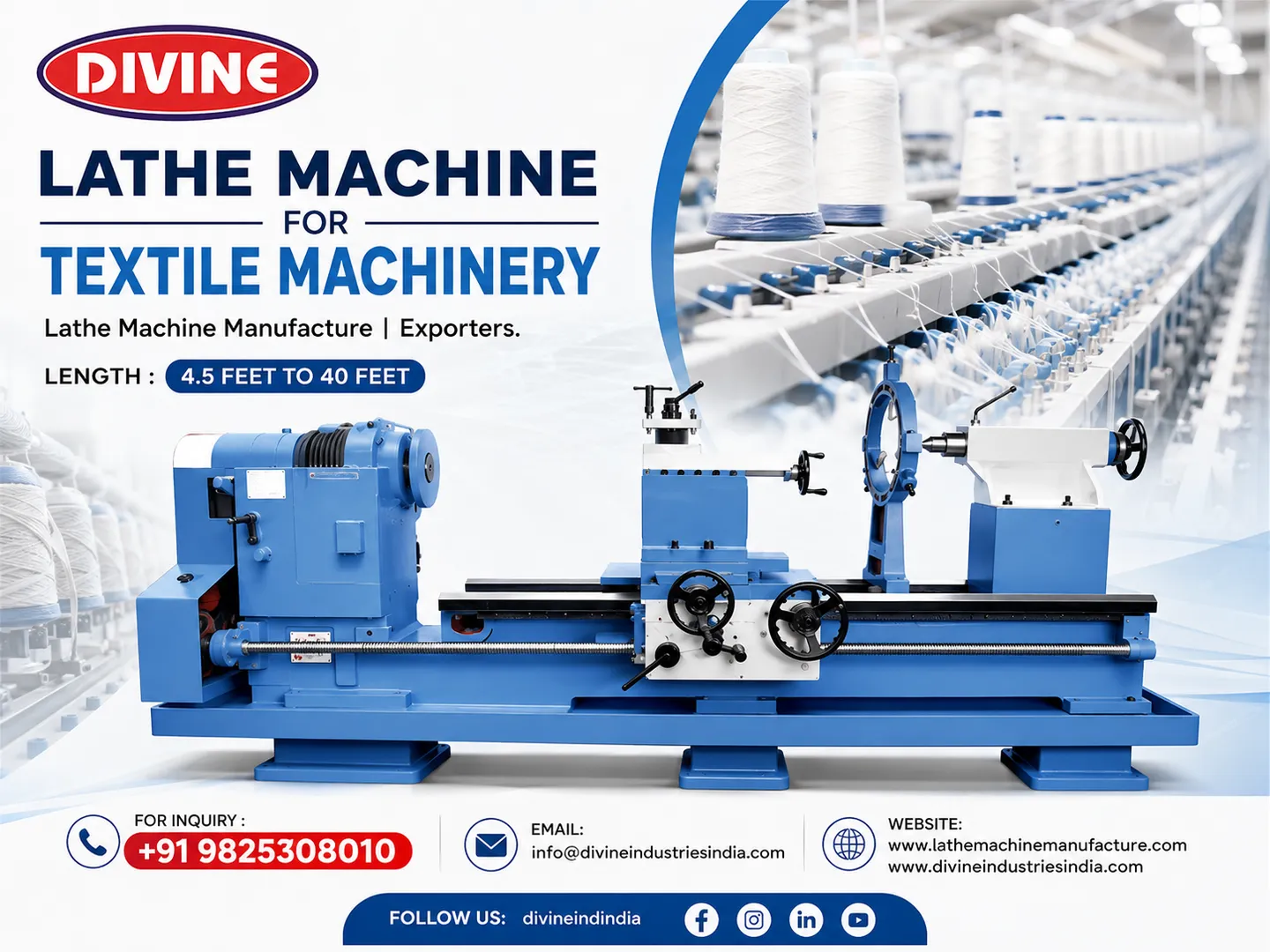
The textile industry depends on machines that can operate continuously, accurately, and efficiently. Behind every high-performance textile machine are numerous precision components such as shafts, rollers, bushings, sleeves, spindles, pulleys, and cylindrical parts. Manufacturing these components requires reliable machining technology, and this is where a lathe machine for textile machinery plays an important role.
A lathe machine allows manufacturers to produce and repair cylindrical components with controlled dimensions, smooth surfaces, and accurate profiles. In textile machinery manufacturing and maintenance, this precision can directly contribute to better machine performance and reduced downtime.
What Is a Lathe Machine?
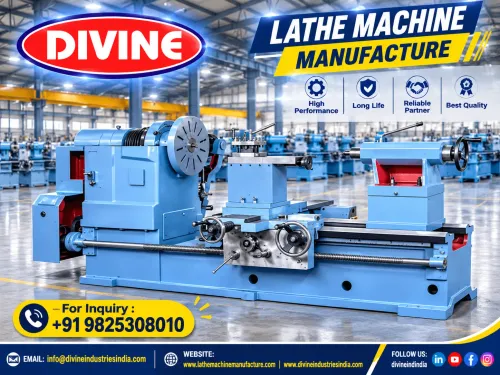
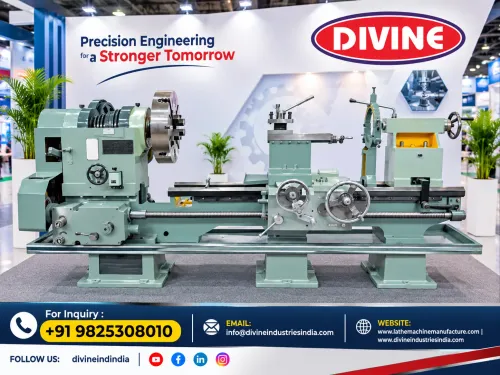
A lathe is a machine tool in which the workpiece rotates while a cutting tool removes material to achieve the required shape and dimensions. Common lathe operations include turning, facing, threading, boring, grooving, and chamfering.
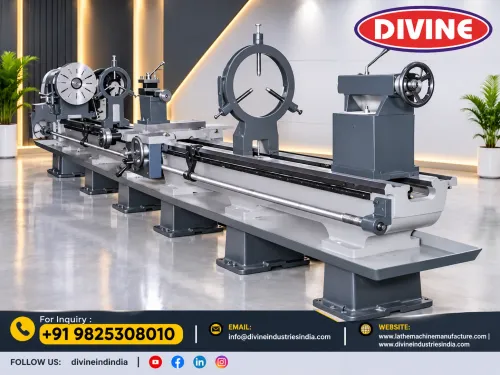
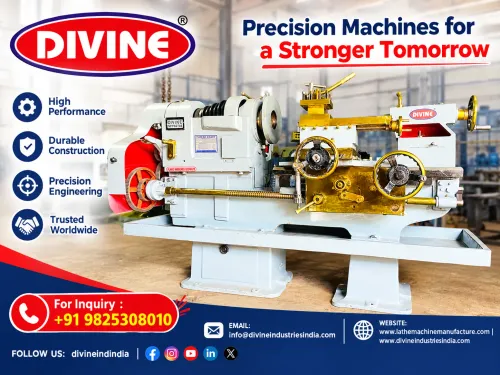
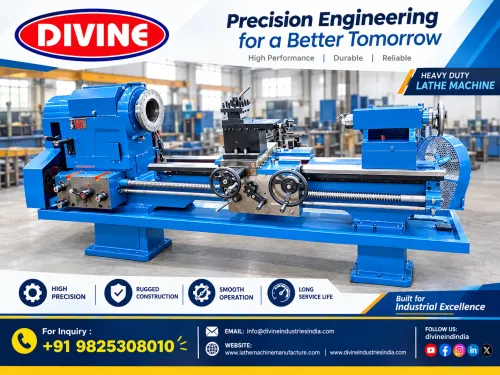
Modern workshops may use conventional, heavy-duty, all-geared, CNC, or specialized turning machines depending on the component and production requirements. Precision turning technology is also used for long bars and other components where dimensional control and surface quality are important.
Why Are Lathe Machines Important for Textile Machinery?
Textile machines often contain rotating and moving components that must maintain proper alignment and dimensional accuracy. Components such as rollers and shafts can operate continuously, sometimes at high speeds.
A properly machined component can help provide:
- Accurate dimensions
- Better concentricity
- Smooth rotation
- Consistent surface finish
- Reliable component fit
- Improved service life
- Easier maintenance
- Reduced machine vibration
Precision-engineered shafts and rollers are particularly important in textile applications because dimensional variation or imbalance can affect machine stability and production performance.
Textile Machinery Components Manufactured on Lathe Machines
A lathe machine can be used to manufacture a wide variety of components used throughout textile production equipment.
1. Textile Machine Shafts
Shafts are fundamental components in many textile machines. They transmit rotation and support various mechanical assemblies.
Lathe machining can be used to produce:
- Drive shafts
- Roller shafts
- Stenter machine shafts
- Spindle-related components
- Transmission shafts
- Custom machine shafts
Manufacturers can machine shaft diameters, shoulders, grooves, threads, and other required profiles according to engineering drawings or samples.
2. Textile Rollers
Rollers are widely used for guiding, transporting, stretching, winding, and processing textile materials. Modern textile processing equipment uses rollers where smooth running and accurate geometry are important.
A suitable lathe can manufacture or prepare:
- Guide rollers
- Feed rollers
- Tension rollers
- Process rollers
- Support rollers
- Roller cores
- Custom cylindrical rollers
For longer rollers, machine rigidity and appropriate workholding become especially important.
3. Bushes and Sleeves
Bushes and sleeves are commonly used in rotating assemblies and mechanical connections. Lathe machining is well suited for producing these cylindrical components with accurate internal and external diameters.
4. Spindles and Cylindrical Parts
Spinning machinery contains precision rotating components where dimensional consistency is essential. Textile machinery manufacturers commonly work with components such as spindles, top rollers, gears, and related assemblies.
5. Custom Textile Machinery Spare Parts
One of the biggest advantages of a lathe is its flexibility. A workshop can manufacture replacement components based on:
- Engineering drawings
- Existing components
- Dimensions
- Machine specifications
- Samples
- Reverse-engineering requirements
This can be particularly useful when an older textile machine requires a replacement component that is no longer readily available.
Lathe Operations Used in Textile Component Manufacturing
Different machining operations may be required depending on the design of the textile machinery component.
Turning: Removes material from the outside diameter to achieve the required size.
Facing: Produces a flat and accurate end surface.
Boring: Enlarges or finishes an internal hole.
Threading: Produces internal or external threads for assembly.
Grooving: Creates narrow grooves for retaining rings, seals, or other components.
Chamfering: Removes sharp edges and prepares the component for assembly.
Combining these operations allows manufacturers to produce complex cylindrical textile machinery parts from a single workpiece.
Conventional vs CNC Lathe for Textile Machinery
The right lathe depends on production volume, component complexity, tolerance requirements, and budget.
Conventional Lathe
A conventional lathe can be a practical choice for:
- Repair work
- Prototype components
- Maintenance parts
- Small production batches
- General turning operations
CNC Lathe
A CNC lathe is advantageous when manufacturers require:
- Repeatable production
- Complex profiles
- Consistent dimensions
- Reduced manual intervention
- Higher-volume manufacturing
For textile machinery manufacturers producing repeated batches of shafts, sleeves, rollers, and similar components, CNC machining can provide greater consistency.
Choosing the Right Lathe Machine for Textile Components
Before selecting a lathe, manufacturers should evaluate the component rather than simply choosing a machine based on size.
Important factors include:
Swing Over Bed
This determines the maximum diameter that can generally be accommodated over the bed.
Distance Between Centers
This is particularly important when manufacturing long shafts and rollers.
Spindle Bore
A larger spindle bore can be useful when machining components from larger-diameter bars or long workpieces.
Machine Rigidity
Rigid construction helps maintain stability during machining, particularly with heavy or long components.
Spindle Speed
The required speed depends on the workpiece material, diameter, cutting tool, and machining operation.
Accuracy and Repeatability
For textile machinery components, consistent dimensions and concentricity can be important for proper assembly and smooth operation.
Heavy-duty and specialized lathes are available for long and large-diameter components used in industries including textile machinery.
Materials Commonly Machined for Textile Machinery Parts
Depending on the component's application, textile machinery parts may be manufactured from different engineering materials, including:
- Mild steel
- Carbon steel
- Alloy steel
- Stainless steel
- Aluminium
- Brass
- Engineering plastics
The material should be selected according to the component's load, speed, wear requirements, corrosion exposure, and operating environment.
Role of Surface Finish and Accuracy
Machining a component to the correct nominal dimension is only part of the manufacturing process. Surface finish, concentricity, straightness, and dimensional consistency can also influence how a textile machinery component performs.
For example, a roller or shaft that is not properly aligned may contribute to vibration or uneven operation. Precision manufacturers therefore often combine turning with subsequent processes such as grinding, polishing, balancing, or inspection where the application requires it.
Industrial textile components are commonly manufactured with close dimensional control and attention to surface integrity, particularly for continuous-duty applications.
Benefits of Using Lathe Machining for Textile Machinery
Using suitable lathe machining processes can offer several advantages to textile machinery manufacturers and maintenance teams:
Precision: Components can be manufactured to specified dimensions.
Customization: Parts can be produced according to drawings or samples.
Repairability: Worn cylindrical components may be restored or remanufactured where technically suitable.
Repeatability: CNC machining can support consistent production of repeated components.
Flexibility: A single machine can perform multiple turning operations.
Maintenance Support: Local machining can help reduce dependence on hard-to-source replacement components.
Lathe Machine and Textile Machinery Maintenance
Textile production often involves long operating hours. Components can eventually experience wear because of friction, load, contamination, vibration, and continuous operation.
Instead of replacing an entire assembly, manufacturers may sometimes replace or remanufacture individual components such as shafts, bushes, rollers, or sleeves.
This approach can help textile plants restore equipment and reduce maintenance-related production interruptions. Textile machinery spare-part manufacturers commonly provide components including shafts, rollers, gears, bushes, couplings, and other replacement parts.
The Future of Lathe Machining for Textile Machinery
The demand for accurate textile machinery components is likely to continue as textile production becomes increasingly automated and performance-focused.
CNC turning, digital inspection, improved tooling, automated measurement, and advanced production planning are helping manufacturers achieve more consistent results. In addition, reverse engineering can make it possible to reproduce obsolete or imported components when suitable technical information and samples are available.
Conclusion
A lathe machine for textile machinery is much more than a general-purpose workshop machine. It is an important manufacturing and maintenance tool for producing precision components such as shafts, rollers, sleeves, bushes, spindles, and other cylindrical parts.
Whether the requirement is a single replacement shaft, a customized textile machinery component, or a repeat production batch, selecting the appropriate lathe, tooling, material, and inspection process is essential for achieving reliable results.
For textile machinery manufacturers and maintenance departments, investing in the right turning technology can support precision, repeatability, component reliability, and efficient machine maintenance.
Keywords