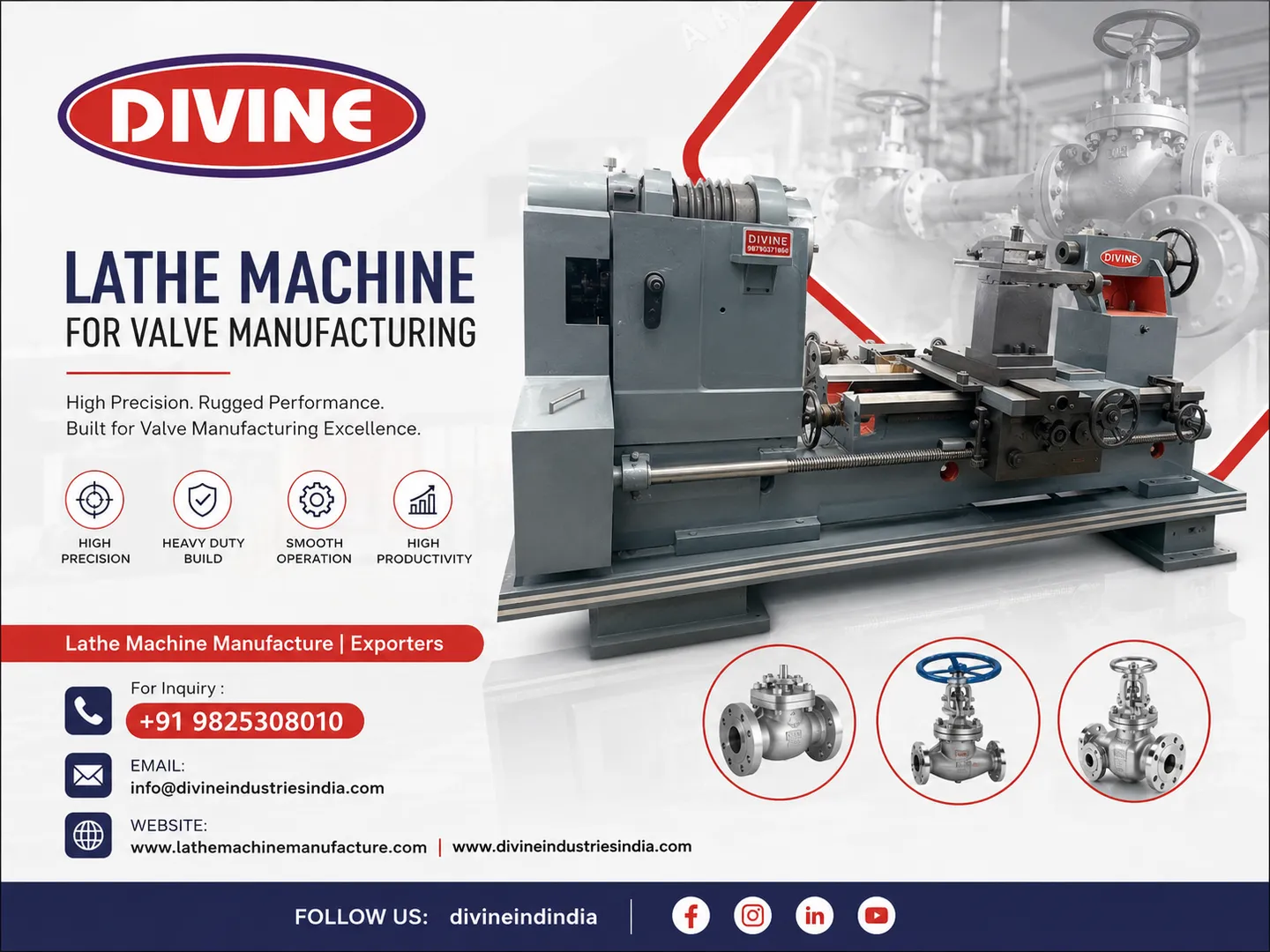
Lathe Machine for Valve Manufacturing: Precision, Performance, and Industrial Efficiency
Valve manufacturing requires accuracy, consistency, and reliable machining performance. From industrial pipelines and water systems to oil, gas, chemical, and power-generation equipment, valves play an important role in controlling the flow of liquids and gases. To manufacture these components with the required precision, lathe machines are widely used in machining and finishing operations.
A modern lathe machine helps manufacturers produce valve components with accurate dimensions, smooth surfaces, and repeatable results. With the right machine configuration, manufacturers can improve productivity while maintaining consistent product quality.
What Is a Lathe Machine for Valve Manufacturing?
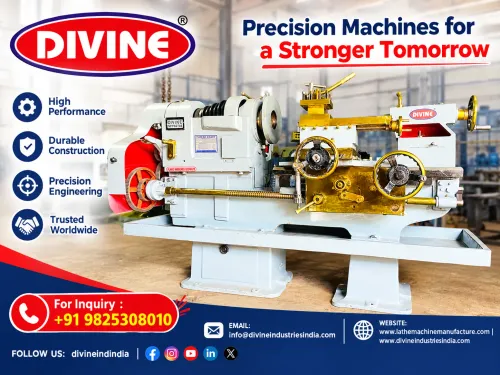
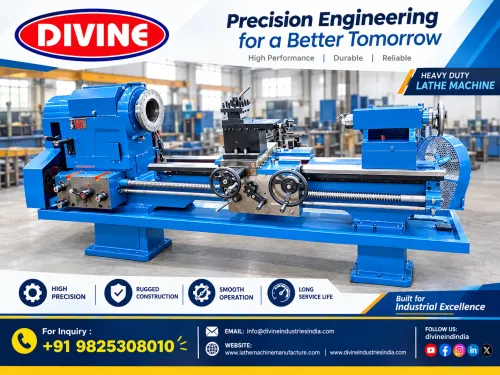
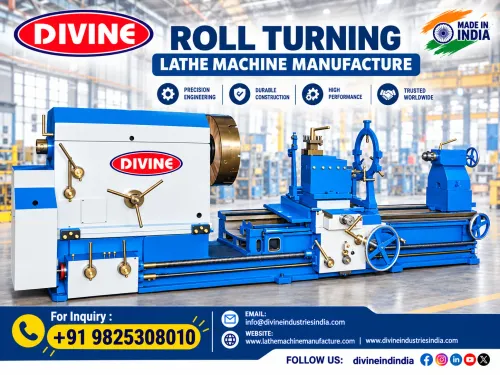
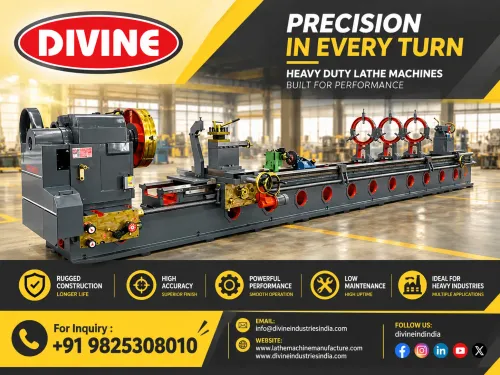
A lathe machine is a machine tool designed to remove material from a rotating workpiece using cutting tools. In valve manufacturing, lathes are commonly used to machine components such as valve bodies, stems, seats, discs, and other cylindrical or rotational parts.
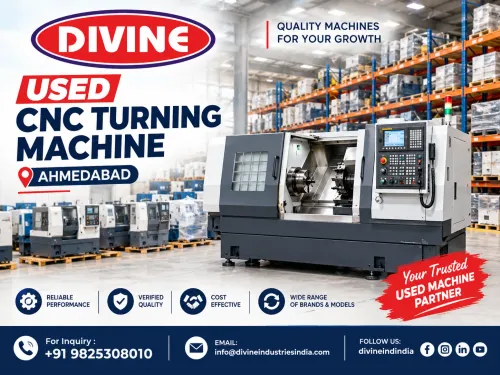
Depending on the valve design and production requirements, manufacturers may use conventional, CNC, or specialized automatic lathe machines. CNC lathes are particularly useful when high accuracy, repeatability, and production efficiency are required.
Why Are Lathe Machines Important in Valve Manufacturing?
Valve components often require tight dimensional control. Even a small machining error can affect sealing performance, durability, or overall valve operation.
Lathe machines provide several important advantages:
1. High Machining Accuracy
Modern CNC lathe machines can perform turning operations with excellent dimensional consistency. This is important when manufacturing valve stems, seats, shafts, and other precision components.
2. Consistent Production Quality
Once machining parameters are properly programmed, CNC equipment can reproduce the same dimensions across multiple components. This helps manufacturers maintain consistent quality during batch production.
3. Improved Productivity
Automated machining reduces the need for continuous manual intervention. Faster tool movements, automated cycles, and optimized cutting parameters can help reduce machining time and increase production output.
4. Better Surface Finishing
A properly configured lathe can produce smooth and accurate surfaces. Good surface quality is particularly important for valve components that require reliable sealing and proper assembly.
5. Flexible Manufacturing
CNC lathes can be programmed for different component sizes and machining requirements. This flexibility allows manufacturers to produce a range of valve components without completely changing the production setup.
Valve Components Machined on a Lathe
A lathe machine can be used for various machining operations involved in valve production, including:
- Valve stems
- Valve seats
- Valve discs
- Shafts
- Bushes
- Cylindrical valve bodies
- Threaded components
- End connections
- Special-purpose valve components
The exact machining process depends on the valve type, material, dimensions, and required tolerances.
Common Lathe Operations in Valve Manufacturing
Several machining operations may be performed during valve component production.
Turning
Turning removes material from the outside diameter of a rotating workpiece to achieve the required dimensions.
Facing
Facing produces a flat end surface and is commonly used to establish accurate component lengths.
Threading
Threading operations create internal or external threads required for connections, assembly, or adjustment mechanisms.
Boring
Boring enlarges or improves the accuracy of an existing hole. It can be useful when machining internal valve passages or other precision openings.
Grooving
Grooving creates narrow recesses or channels that may be required for seals, retaining rings, or component assembly.
Drilling
When supported by the machine configuration, drilling can be performed to create accurately positioned holes.
CNC Lathe Machines for Modern Valve Production
CNC technology has transformed the way valve components are manufactured. Unlike traditional manual machining, a CNC lathe operates according to programmed instructions, allowing manufacturers to control cutting speed, feed rate, tool movement, and machining cycles accurately.
For high-volume valve manufacturing, CNC lathes can offer:
- Repeatable machining
- Reduced setup time
- Improved dimensional control
- Lower dependence on manual operations
- Faster production cycles
- Better process consistency
- Efficient use of cutting tools
Manufacturers can also integrate automatic tool changers, bar feeders, hydraulic or pneumatic chucking systems, and other automation features depending on production requirements.
Choosing the Right Lathe Machine for Valve Manufacturing
Selecting a suitable machine depends on several factors. Manufacturers should consider the size and weight of the workpiece, material being machined, production volume, required tolerance, machining operations, and level of automation.
For example, a small valve component may require a compact CNC turning center, while larger industrial valve bodies may require a heavy-duty or specialized turning machine.
Important machine specifications may include:
- Maximum turning diameter
- Maximum turning length
- Spindle speed
- Spindle motor power
- Chuck size
- Machine rigidity
- Tool capacity
- CNC control system
- Automatic loading options
- Workpiece capacity
Choosing the machine according to the actual production requirements can improve both machining efficiency and long-term operating costs.
Materials Used in Valve Manufacturing
Valves are manufactured from a wide range of materials depending on their application. Common materials include carbon steel, stainless steel, alloy steel, cast iron, ductile iron, brass, bronze, and various engineered alloys.
Different materials have different machining characteristics. Therefore, cutting tools, spindle speeds, feed rates, coolant selection, and machining strategies should be selected accordingly.
Quality Control in Valve Machining
Precision machining is only one part of successful valve manufacturing. Quality inspection is also essential to ensure that finished components meet engineering specifications.
Manufacturers may use measuring instruments and inspection equipment to verify:
- Diameter
- Length
- Thread dimensions
- Concentricity
- Surface finish
- Bore dimensions
- Flatness
- Overall component geometry
CNC machining combined with appropriate inspection procedures helps manufacturers reduce dimensional variation and improve product reliability.
Benefits of Using Modern Lathe Technology
Investing in modern lathe technology can provide long-term benefits for valve manufacturers. Higher production efficiency, reduced machining variation, improved repeatability, and lower manual intervention can contribute to a more efficient manufacturing process.
For manufacturers competing in demanding industrial markets, reliable machining equipment can also help improve delivery times and maintain consistent product standards.
Conclusion
A lathe machine is an important part of the valve manufacturing process, particularly for producing precise rotational components and performing essential turning operations. Modern CNC lathes provide manufacturers with greater control over machining parameters, improved repeatability, and efficient production capabilities.
As valve applications continue to demand better accuracy, durability, and manufacturing efficiency, advanced lathe technology can play a valuable role in meeting these requirements. Selecting the right machine based on component size, material, production volume, and machining specifications is essential for achieving reliable results.
For valve manufacturers, the right lathe machine is not simply a production tool—it is an important investment in precision, productivity, and consistent manufacturing quality.
Keywords