Lathe Machine Manufacturer in Mumbai – Precision Machines for Modern Industries
Mumbai is one of India’s major industrial and commercial centres, with a strong demand for reliable machine tools and precision engineering equipment. Among the essential machines used in manufacturing and engineering industries, the lathe machine plays a vital role in turning, facing, threading, drilling, and other machining operations.
Choosing the right Lathe Machine Manufacturer in Mumbai can make a significant difference to production efficiency, machining accuracy, machine life, and overall operating costs.
What Is a Lathe Machine?
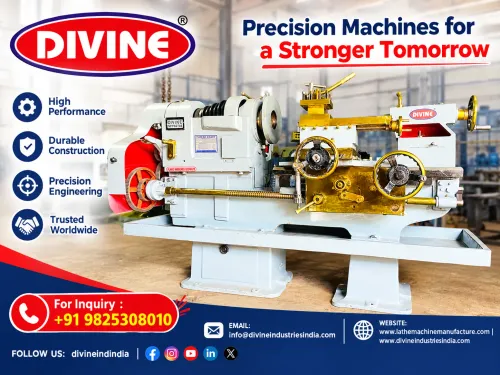
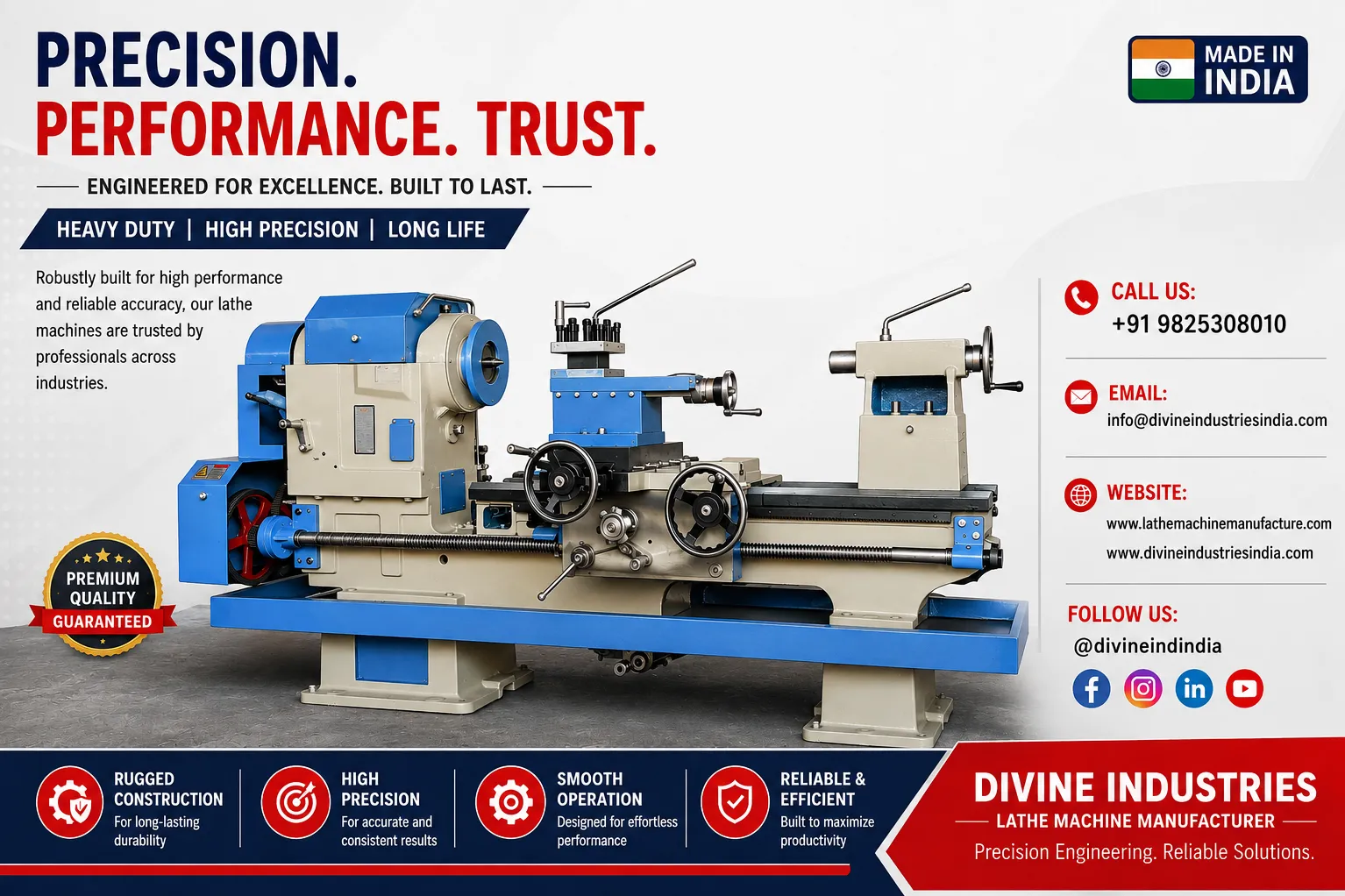
A lathe machine is an industrial machine tool used to rotate a workpiece while a cutting tool removes material from its surface. It is widely used for manufacturing cylindrical components, shafts, bushes, threads, and many other engineering parts.
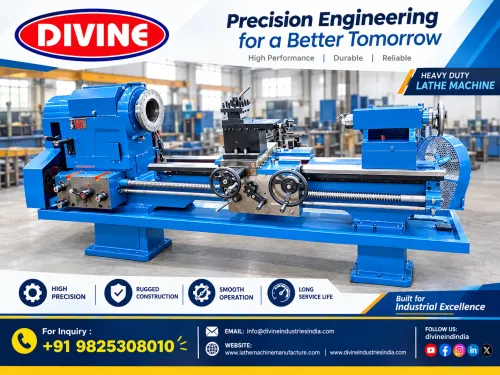
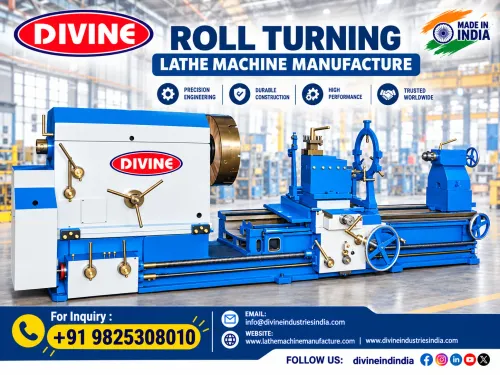
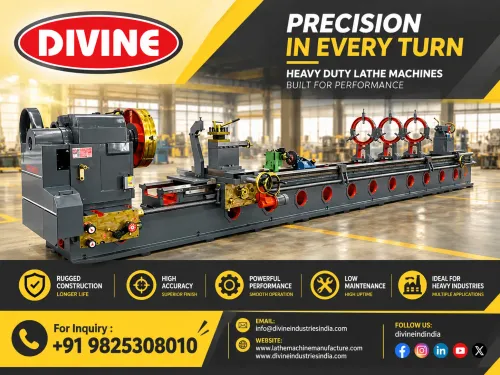
Depending on production requirements, industries can select from different types of machines, including conventional lathes, heavy-duty lathes, geared lathes, precision lathes, and CNC lathe machines.
Why Choose a Lathe Machine Manufacturer in Mumbai?
Mumbai and the surrounding industrial areas have a strong ecosystem of engineering, manufacturing, fabrication, automobile, maintenance, and machine-tool businesses. Local availability can provide several practical advantages, including easier communication, faster service coordination, and convenient access to industrial support.
A reliable manufacturer should offer machines designed with:
- Robust machine construction
- High machining accuracy
- Smooth spindle operation
- Durable components
- Reliable performance
- Easy maintenance
- Long service life
- Suitable specifications for different industrial applications
Several machine-tool businesses operate across Mumbai and Navi Mumbai, demonstrating the region’s established industrial infrastructure.
Applications of Lathe Machines
Lathe machines are used across a wide range of industries and workshops. Common applications include:
- Automobile component manufacturing
- General engineering
- Fabrication and repair workshops
- Pump and valve manufacturing
- Industrial machinery manufacturing
- Agricultural equipment manufacturing
- Tool and die applications
- Maintenance and production workshops
- Heavy engineering industries
The correct lathe specification depends on the type and size of workpiece, required machining operations, production volume, spindle capacity, centre distance, and desired accuracy.
How to Select the Right Lathe Machine
Before purchasing a lathe machine, buyers should carefully evaluate their production requirements. Important factors include:
1. Centre Height and Distance Between Centres
These dimensions determine the maximum size and length of the workpiece that can be accommodated by the machine.
2. Spindle Bore
Spindle bore is particularly important when machining long bars or components that need to pass through the spindle.
3. Machine Bed
A strong and rigid machine bed helps reduce vibration and supports stable machining during heavy-duty operations.
4. Spindle Speed
The appropriate spindle-speed range allows operators to select suitable cutting conditions for different materials and machining operations.
5. Motor Capacity
Motor power should match the intended workload. Heavy machining applications generally require a suitable high-capacity drive system.
6. Build Quality
A lathe machine should be manufactured using quality components and proper machining and inspection processes to deliver consistent performance.
Benefits of a Quality Lathe Machine
Investing in a properly designed lathe machine can provide long-term benefits to manufacturing businesses.
A good machine can help improve:
Production Efficiency: Faster and more consistent machining can support better productivity.
Machining Accuracy: Proper machine rigidity and alignment help achieve accurate components.
Reliability: Strong construction and quality components can reduce unexpected downtime.
Versatility: A suitable lathe can perform multiple operations, making it useful for different production requirements.
Long-Term Value: A durable machine can provide dependable service over many years when properly operated and maintained.
Lathe Machine Manufacturer for Industrial Requirements
When selecting a lathe machine manufacturer in Mumbai, customers should look beyond the initial machine price. Product quality, technical specifications, manufacturing standards, after-sales support, spare-parts availability, and service capability are all important considerations.
Mumbai has a well-established machine-tool market, with manufacturers and suppliers offering various types of conventional, geared, CNC, and specialised machines.
For example, manufacturers serving the Mumbai market offer machines ranging from conventional and heavy-duty models to specialised CNC and automatic machines.
Why Quality Matters in Lathe Machine Manufacturing
The performance of a lathe machine depends heavily on its construction, component quality, alignment, machining accuracy, and quality-control procedures.
For industrial users, a machine should be selected according to actual production requirements rather than simply choosing the lowest-cost option. A well-matched machine can provide better consistency, reduce maintenance requirements, and support efficient production.
Conclusion
A lathe machine is an important investment for engineering and manufacturing businesses. Whether you operate a small workshop or a large industrial production facility, choosing the right machine can improve machining capability and production performance.
If you are searching for a Lathe Machine Manufacturer in Mumbai, compare machine specifications, construction quality, application suitability, service support, and long-term reliability before making a purchase.
The right lathe machine can become a dependable part of your production system, helping your business achieve accurate machining, efficient operations, and consistent industrial performance.
Frequently Asked Questions
Q1. What is a lathe machine used for?
A lathe machine is primarily used for turning, facing, threading, drilling, boring, and other machining operations on rotating workpieces.
Q2. How do I choose a lathe machine?
Consider the workpiece size, centre distance, centre height, spindle bore, spindle speed, motor capacity, machine-bed construction, production requirements, and available service support.
Q3. Are lathe machines suitable for heavy-duty work?
Yes. Heavy-duty lathe machines are designed for machining larger and heavier components, provided the machine specifications are suitable for the application.
Q4. Why is Mumbai an important market for machine tools?
Mumbai has a large industrial and engineering ecosystem, with machine-tool manufacturers, suppliers, workshops, and service providers operating throughout Mumbai and nearby industrial areas.
Q5. Should I buy a lathe machine based only on price?
No. Machine quality, specifications, accuracy, durability, service support, spare parts, and suitability for your application should also be considered.
Keywords