Introduction: Understanding Lathe Machine Prices in India
Are you planning to purchase a lathe machine for your workshop, engineering business or manufacturing unit? Understanding the lathe machine price in India is an important first step before making an investment. The right machine can help improve machining accuracy, production efficiency and long-term operational value.
Lathe machines are widely used in automotive workshops, fabrication units, industrial manufacturing, maintenance departments and engineering industries. They perform essential operations such as turning, facing, threading, drilling and boring to manufacture or repair cylindrical components.
In 2026, buyers can explore several options, ranging from compact workshop lathes to conventional industrial machines and advanced CNC turning systems. The final price depends on machine capacity, bed length, spindle bore, construction quality, automation level and additional accessories.
This guide explains the main types of lathe machines, indicative price ranges, important buying factors and practical tips to help you select a suitable machine for your production requirements.
What Is the Price of a Lathe Machine in India?
The price of a lathe machine in India can range from approximately ₹1 lakh for selected basic models to several lakhs or crores for large, specialised or advanced CNC systems. These are broad market indications rather than fixed quotations.
Typical advertised prices vary by manufacturer, configuration and machine specifications. For example, conventional machines are available in the lower-lakh range, while CNC machines generally require a larger investment. Current supplier listings illustrate this variation across machine categories.
Before comparing prices, confirm whether the quotation includes GST, transportation, installation, tooling and other accessories.
Types of Lathe Machines and Their Prices
1. Conventional Lathe Machine
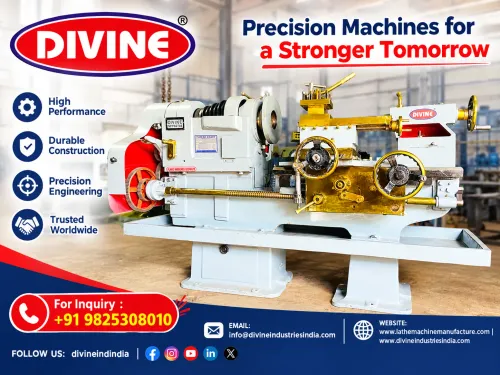
A conventional lathe machine is a practical choice for general-purpose machining, repair work and small to medium-sized production requirements. Operators manually control the cutting tool and workpiece operations.
Common applications:
- General engineering workshops
- Metal component manufacturing
- Maintenance and repair work
- Educational and training institutions
- Small-scale manufacturing units
The conventional lathe machine price depends on bed length, swing over bed, spindle bore, motor capacity and whether the machine uses a belt-driven or geared-head arrangement.
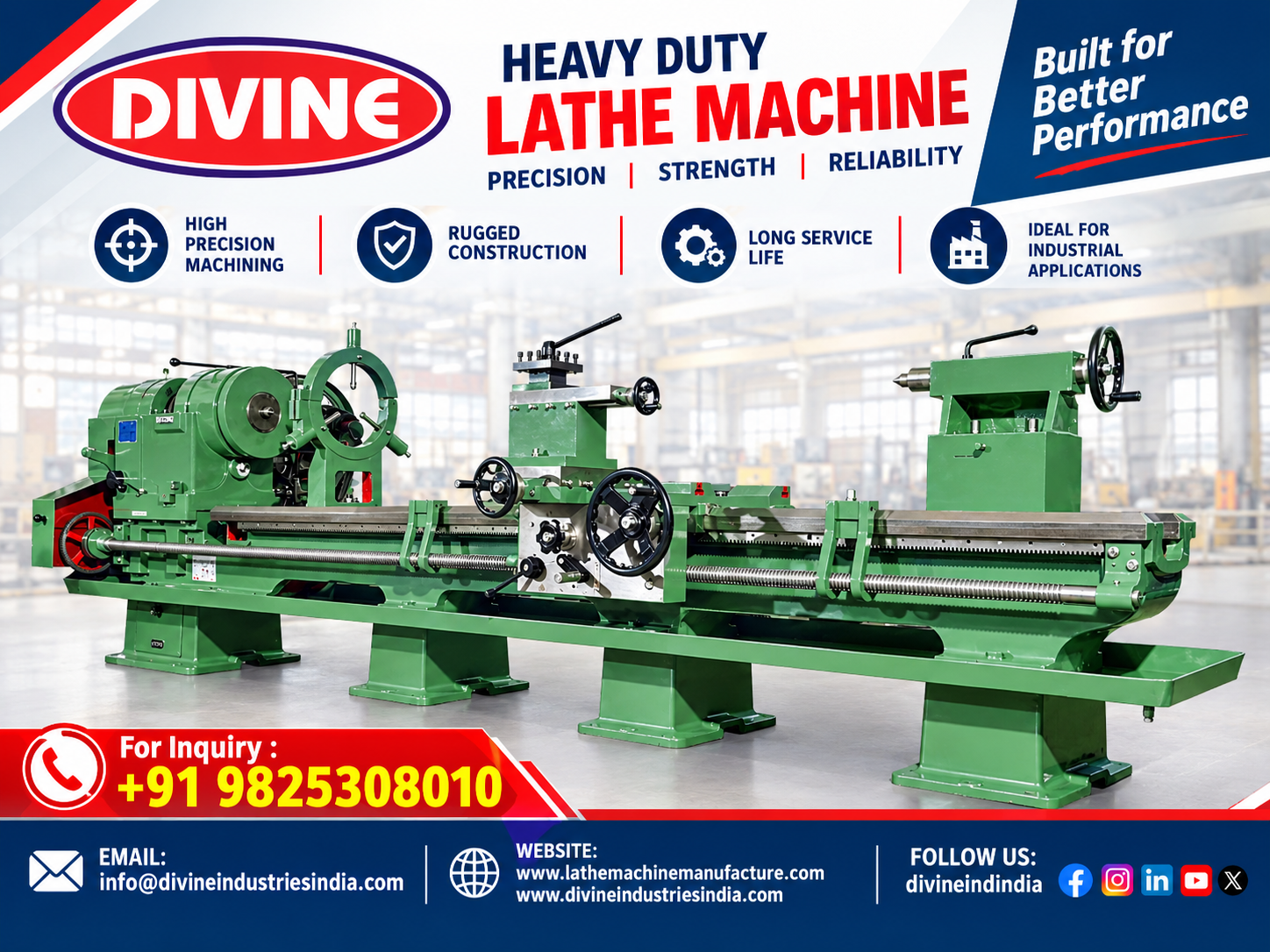
2. Heavy-Duty Lathe Machine
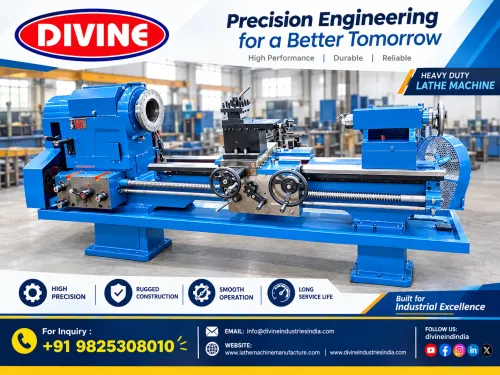
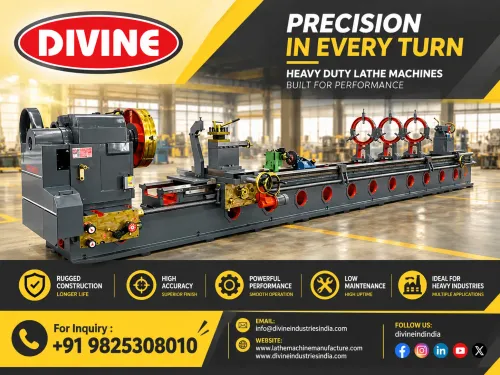
Heavy-duty lathe machines are designed for demanding machining operations and larger workpieces. A rigid machine structure, suitable spindle capacity and appropriate power configuration help support industrial applications.
These machines are commonly used for shafts, rollers, industrial components, repair jobs and other large metalworking applications.
When evaluating a heavy-duty lathe machine price, consider the maximum workpiece diameter, machining length, spindle bore, cutting capacity and expected operating hours.
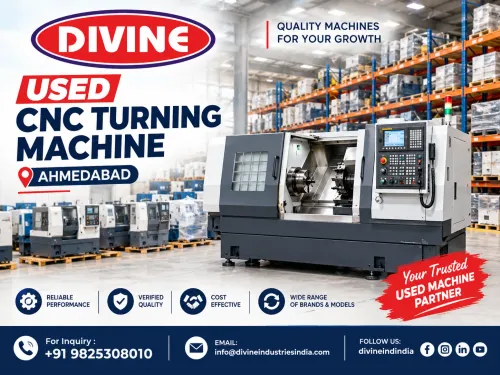
3. CNC Lathe Machine
A CNC lathe machine uses computer numerical control to automate tool movements and machining operations. It is suitable for businesses that need repeatable production, consistent dimensions and efficient machining of complex components.
CNC lathe machines are widely used in automotive components, precision engineering, industrial equipment and mass-production environments.
The CNC lathe machine price varies according to the number of controlled axes, spindle configuration, controller, tooling system, automation options and machining capacity.
4. Light-Duty and Medium-Duty Lathe Machines
Light-duty and medium-duty lathes are useful for workshops that machine smaller or moderately sized components. They can be suitable for repair shops, maintenance departments and businesses with limited production volumes.
Choose a machine based on your actual workload instead of selecting a model solely because it has a lower purchase price.
Key Factors That Affect Lathe Machine Price
Several technical and commercial factors determine the final cost of an industrial lathe machine.
Machine capacity: Larger workpieces require suitable swing diameter, bed length and spindle capacity.
Bed length: A longer bed can accommodate longer components but may increase the machine's size and cost.
Spindle bore: The spindle bore should match the diameter of bars and components passing through the spindle.
Construction quality: Machine rigidity, bed material, guideway quality and manufacturing precision influence performance and service life.
Drive system: Belt-driven, geared-head and variable-speed configurations offer different operating characteristics.
Automation: CNC controls, automatic tool changers, bar feeders and other automation features can increase the overall investment.
Accessories and installation: Chucks, tool holders, steady rests, coolant systems, electrical requirements, freight and commissioning may affect the final quotation.
How to Choose the Right Lathe Machine for Your Business
Before purchasing a lathe machine, evaluate the following points:
- Identify your application. Determine whether you need the machine for repair work, general turning, heavy components or high-volume precision production.
- Check workpiece dimensions. Confirm the maximum diameter and length of the components you intend to machine.
- Review technical specifications. Compare spindle speed, spindle bore, motor power, bed length and machining capacity.
- Evaluate production requirements. Consider whether manual operation or CNC automation better suits your expected output.
- Check service support. Ask about spare parts, technical assistance, warranty coverage and maintenance requirements.
- Compare complete quotations. Review the machine price alongside taxes, delivery, installation, accessories and training, where applicable.
A well-matched lathe machine can support consistent machining quality and help avoid unnecessary investment in features your business may not require.
Why Buy from an Experienced Lathe Machine Manufacturer?
Selecting a suitable manufacturer is an important part of purchasing industrial machinery. A reliable supplier should provide clear technical specifications, transparent commercial terms and support appropriate to the machine model.
Before placing an order, ask for a detailed quotation, machine photographs or a demonstration, available configurations, delivery timelines and warranty terms. Where precision is critical, request information about inspection procedures and achievable tolerances under specified operating conditions.
For buyers comparing lathe machine manufacturers in India, evaluating machine suitability and after-sales support alongside price can lead to a better long-term purchasing decision.
Frequently Asked Questions About Lathe Machine Prices
What is the starting price of a lathe machine in India?
Some basic or compact lathe machines are advertised from around ₹1 lakh, while industrial models can cost considerably more. The exact price depends on the machine type, specifications and supplier quotation.
What is the price of a conventional lathe machine?
Conventional lathe prices vary with bed length, swing, spindle bore, drive system and duty rating. Request a quotation based on your required capacity rather than relying on a general price estimate.
Is a CNC lathe machine more expensive than a conventional lathe?
Generally, yes. CNC machines include computer-controlled machining capabilities and may offer automation and repeatability advantages. Their price depends on the controller, machine configuration and additional equipment.
Which lathe machine is suitable for a small workshop?
A light-duty or medium-duty conventional lathe may be suitable for general workshop and repair applications. The appropriate model depends on the dimensions, material and quantity of components being machined.
What should I check before buying a lathe machine?
Check machining capacity, bed length, swing diameter, spindle bore, motor power, construction quality, warranty, spare-parts availability and the total delivered cost.
Does the lathe machine price include GST and installation?
Not always. Confirm the GST treatment, transport charges, installation, commissioning, accessories and any other applicable costs with the supplier before finalising the order.
Conclusion
Finding the right lathe machine at the right price requires more than comparing advertised rates. Buyers should evaluate machining capacity, construction, operating requirements, precision, service support and the total cost of ownership.
Whether you need a conventional lathe for general engineering, a heavy-duty machine for large components or a CNC lathe for repeatable production, selecting the right specifications can help your business achieve dependable machining performance.
Looking for a lathe machine quotation? Contact a suitable manufacturer with your required bed length, swing diameter, spindle bore, application and production needs to receive a model-specific offer.
Keywords