Power Press Machine Price in India: A Complete Guide for Industrial Buyers
When searching for a Power Press Machine Price, buyers often find a wide range of prices online. This is because power press machines are available in different capacities, frame designs, operating systems, bed sizes, and configurations. The right machine should therefore be selected according to the production requirement rather than price alone.
A power press machine is widely used in industries for punching, blanking, bending, forming, stamping, and sheet metal processing. Its performance depends on factors such as tonnage, machine construction, stroke length, motor capacity, clutch system, and the type of work being performed.
What Is a Power Press Machine?
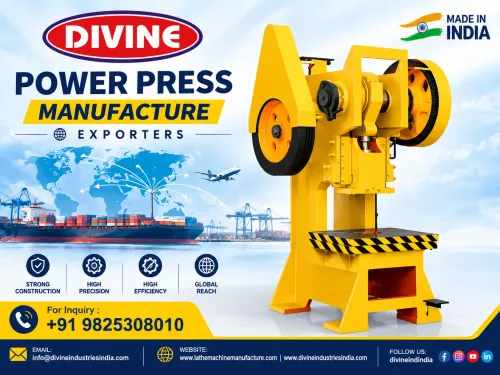
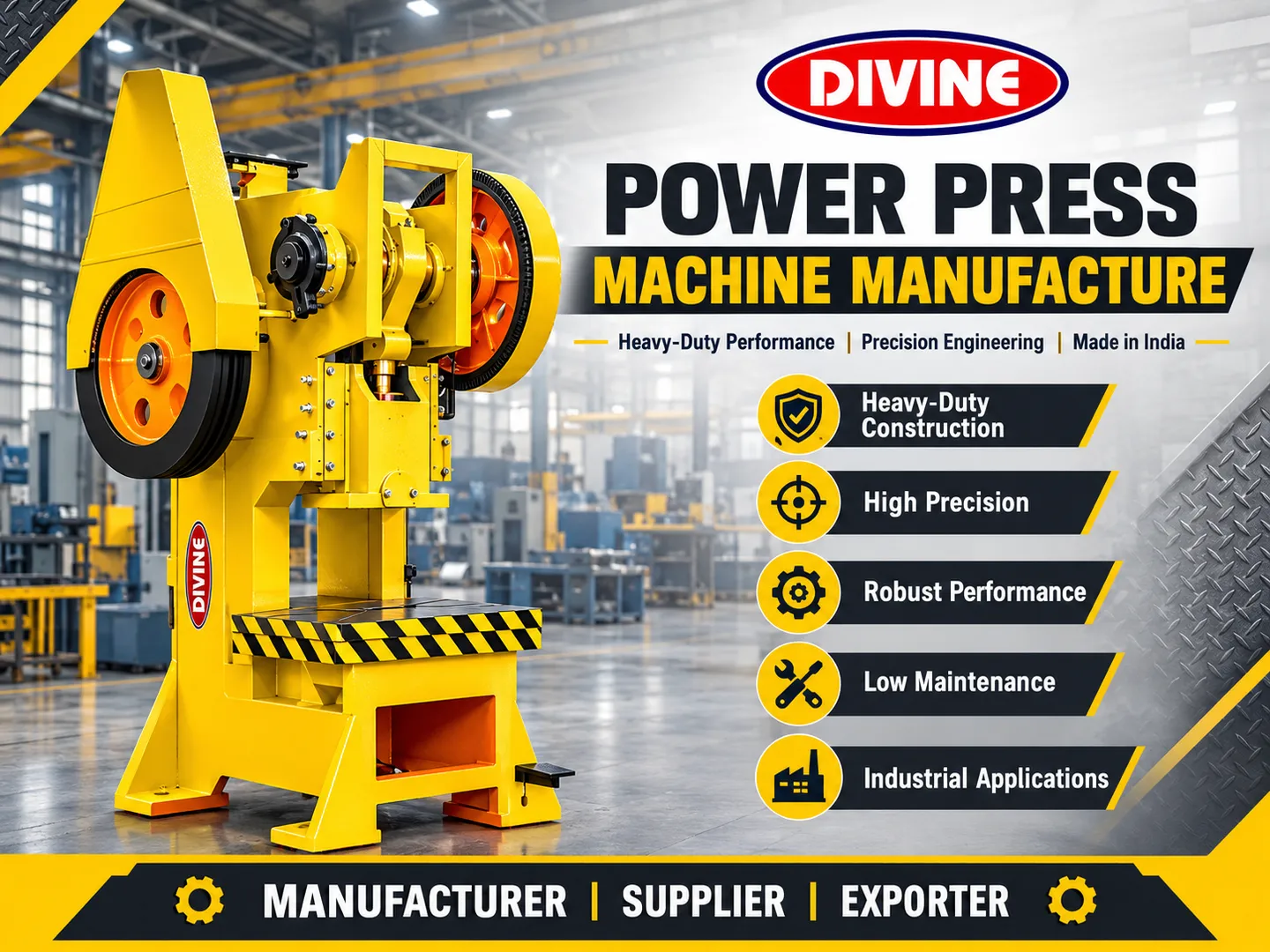
A power press machine is an industrial machine designed to apply controlled mechanical force to a workpiece. It is commonly used for manufacturing components from sheet metal and other materials.
Depending on the machine design, power presses can be used for:
- Sheet metal punching
- Blanking operations
- Bending and forming
- Stamping components
- Industrial fabrication
- Automobile component manufacturing
- Electrical panel production
- Hardware and general engineering applications
Power Press Machine Price in India
The power press machine price in India depends mainly on the machine's capacity and specifications. Current market listings show significant variation between smaller machines and heavy-duty industrial presses. For example, published listings include machines from smaller capacities around a few tens of thousands of rupees, while larger industrial machines can cost several lakh rupees or considerably more.
Therefore, there is no single price that applies to every power press machine.
Some of the major factors affecting the quotation include:
1. Machine Tonnage
Tonnage indicates the maximum pressing force of the machine. A higher-tonnage machine generally requires a stronger frame, larger mechanical components, and a more powerful drive system.
Common industrial requirements may include:
- 5 Ton Power Press
- 10 Ton Power Press
- 20 Ton Power Press
- 30 Ton Power Press
- 50 Ton Power Press
- 75 Ton Power Press
- 100 Ton Power Press
- 150 Ton Power Press
- 200 Ton Power Press
The required tonnage should be selected according to the material, thickness, die design, and production operation.
2. C-Frame or H-Frame Construction
Frame construction has an important effect on machine price and application.
A C-frame power press provides convenient access to the working area and is commonly used for general punching, blanking, and forming applications.
An H-frame power press is designed around a more rigid frame structure and is often considered for heavier or demanding production applications. Current manufacturer listings show both C-frame and H-frame machines across different capacities.
3. Mechanical or Pneumatic Operation
The operating and clutch arrangement can also influence the final price.
Mechanical power presses are commonly selected for conventional production applications, while pneumatic clutch configurations can provide different operating and control characteristics. Pneumatic systems, automation, and additional controls generally change the overall machine specification and quotation.
4. Bed Size and Stroke
The required bed or bolster size should match the die and component dimensions. Stroke length is another important specification because it determines the movement available during the pressing operation.
A larger bed, customized stroke, greater shut height, or special machine dimensions can increase manufacturing cost.
5. Motor and Drive System
Motor capacity and the complete drive system are important for reliable production. The required motor specification depends on machine tonnage, operating conditions, speed, and application.
A properly matched drive system can help maintain consistent machine performance during production.
What Should You Check Before Buying?
Instead of comparing quotations only by price, industrial buyers should compare the complete specifications.
Consider:
- Required tonnage
- Frame construction
- Bed size
- Stroke length
- Strokes per minute
- Motor capacity
- Clutch and brake system
- Machine weight
- Safety arrangement
- Electrical control system
- Die compatibility
- Spare parts availability
- Installation requirements
- Manufacturer support
These factors can make two machines with apparently similar tonnage significantly different in overall value and specifications.
Power Press Machine Applications
Power press machines are used in many manufacturing sectors because they can perform repetitive metalworking operations efficiently.
Typical applications include:
Automobile Industry: Manufacturing brackets, panels, supports, and other pressed components.
Electrical Industry: Producing electrical boxes, panels, covers, and sheet-metal components.
Hardware Manufacturing: Punching and forming hardware parts in repetitive production.
Fabrication Industry: Cutting, bending, punching, and forming different sheet-metal components.
General Engineering: Manufacturing components that require consistent pressing and forming operations.
How to Get the Right Power Press Machine Price
The most accurate way to obtain a quotation is to provide the manufacturer with complete application details.
Before contacting a manufacturer, prepare information such as:
- Material type
- Material thickness
- Component dimensions
- Required production quantity
- Die dimensions
- Required pressing force
- Preferred frame type
- Required automation level
With these details, a manufacturer can recommend a suitable machine configuration and prepare a more accurate quotation.
Why Choosing the Right Manufacturer Matters
The initial purchase price is only one part of the machine investment. Buyers should also consider machine construction, manufacturing quality, technical support, spare-part availability, installation, and long-term service.
A machine designed around the actual production requirement can help businesses maintain consistent manufacturing operations and avoid purchasing a machine that is either under-capacity or unnecessarily oversized.
Conclusion
The Power Press Machine Price in India varies according to tonnage, frame design, machine specifications, drive system, automation, and application requirements. Small-capacity machines may have substantially different pricing from heavy-duty industrial models, so comparing machines only by their advertised price can be misleading.
For the right purchase decision, first determine the required pressing capacity and application, then compare machines based on complete technical specifications, construction, safety features, service support, and overall suitability for production.
If you are looking for a Power Press Machine Manufacturer in India, discuss your material, component, die size, production volume, and required tonnage with the manufacturer before requesting a final quotation.
Frequently Asked Questions
Q1. What is the price of a power press machine in India?
The price varies according to tonnage, frame type, specifications, automation, and manufacturer. Current published Indian listings range from small-capacity machines costing tens of thousands of rupees to larger industrial machines costing several lakh rupees or more.
Q2. Which tonnage power press should I choose?
The required tonnage depends on the material, thickness, component size, die design, and type of operation. A manufacturer can calculate the appropriate capacity from your application details.
Q3. What is the difference between C-frame and H-frame power presses?
C-frame machines provide accessible working areas and are widely used for general applications, while H-frame designs provide a more rigid structure for applications requiring greater frame strength.
Q4. Is a low-price power press always better for a small business?
Not necessarily. Machine capacity, construction, safety provisions, maintenance requirements, and after-sales support should be evaluated along with the purchase price.
Q5. Can a power press machine be customized?
Depending on the manufacturer, specifications such as tonnage, bed dimensions, stroke, electrical controls, automation, and other requirements may be customized.
Keywords