Short Lathe Machine: Compact Machining Solution for Precision Industrial Work
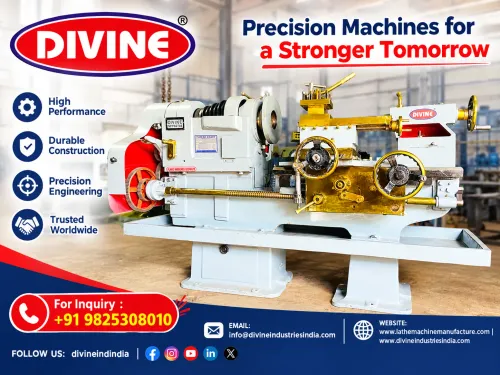
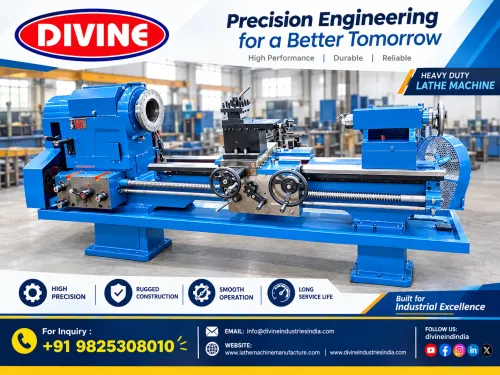
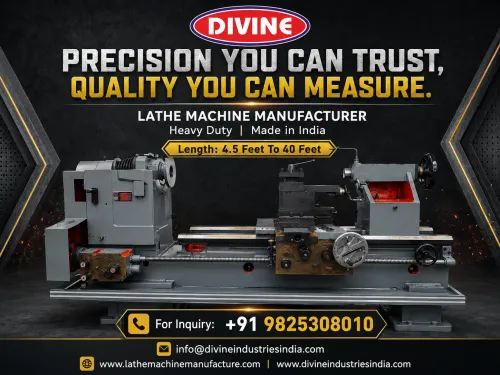
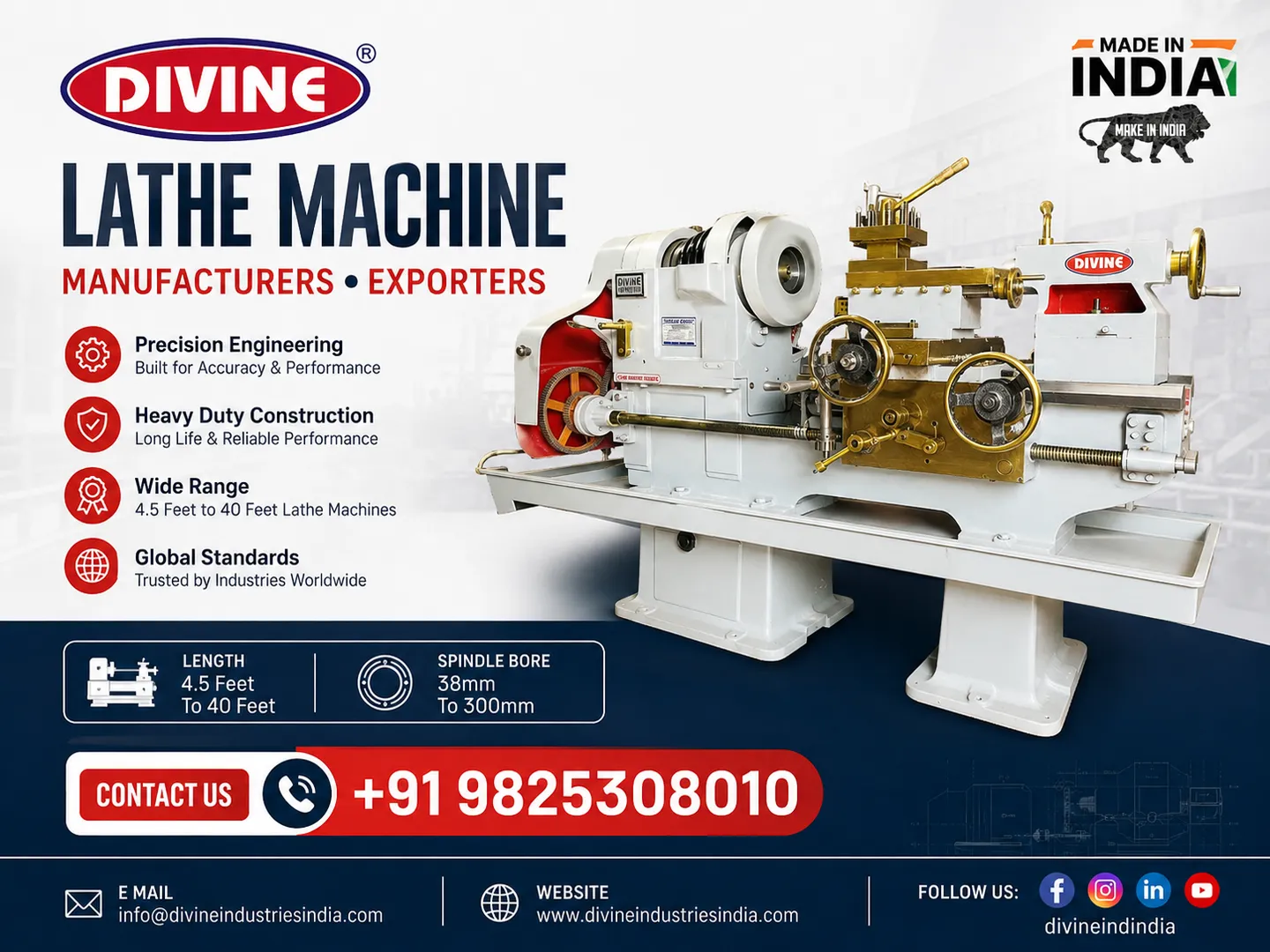
A Short Lathe Machine is a compact and practical machine tool designed for turning, facing, threading, boring, drilling and other machining operations on relatively short workpieces. Its compact construction makes it suitable for workshops where floor space, easy operation and efficient production are important.
For industries working with small and medium-sized components, choosing the right lathe machine can improve productivity while maintaining machining accuracy. A well-designed short lathe machine provides a useful combination of rigidity, operational convenience and reliable performance.
What Is a Short Lathe Machine?
A short lathe machine is a type of conventional or precision turning machine developed for machining components with shorter working lengths. The workpiece is securely held in a chuck or other suitable holding arrangement while the cutting tool removes material according to the required dimensions.
Depending on the machine configuration, it can be used for operations such as:
- External turning
- Internal boring
- Facing
- Thread cutting
- Grooving
- Chamfering
- Drilling
- Taper turning
- Finishing operations
The machine can be configured according to the component size, material and production requirement.
Why Choose a Short Lathe Machine?
The compact design of a short lathe machine can be particularly useful for workshops with limited space. It can provide convenient access to the work area while supporting a wide range of general-purpose machining jobs.
Some important advantages include:
1. Compact Construction
A shorter machine structure requires less workshop space compared with larger conventional machines. This makes it suitable for small and medium-sized manufacturing units.
2. Versatile Machining
A short lathe can perform several fundamental machining operations on different types of components. With suitable tooling, the same machine can be used for turning, facing, boring and threading.
3. Easy Workpiece Handling
Shorter components can generally be mounted and removed conveniently, helping operators reduce unnecessary setup time.
4. Reliable Cutting Performance
A rigid machine structure helps maintain stability during machining. Proper rigidity, spindle performance and tool setup are important for achieving consistent results.
5. Suitable for Workshops and Production Units
The machine can be useful for general engineering workshops, repair facilities, fabrication units and component manufacturers that require dependable turning equipment.
Short Lathe Machine for Valve Components
A short lathe machine can also be considered for machining suitable valve components, depending on the dimensions and machining requirements of the part.
Valve manufacturing involves different components and operations. Turning processes may be used for cylindrical surfaces, faces, threads, bores and other features. Specialized valve-machining equipment is also available for valve seats, sealing surfaces and other dedicated applications.
For valve-related work, the machine should be selected according to:
- Valve component diameter
- Component length
- Material being machined
- Required tolerances
- Thread specifications
- Surface-finish requirements
- Production quantity
- Required tooling and chuck capacity
Selecting the machine according to the actual component drawing is important for achieving efficient and accurate machining.
Applications of Short Lathe Machines
Short lathe machines can be used across various engineering applications. Common workpieces may include:
- Shafts
- Bushes
- Pins
- Sleeves
- Flanges
- Couplings
- Rollers
- Small valve components
- Machine parts
- Automotive components
- General engineering components
Their versatility makes them a practical choice for workshops handling different types of turning jobs.
Important Features to Consider
Before purchasing a short lathe machine, buyers should evaluate several technical factors.
Bed Rigidity: A strong and rigid bed helps minimize vibration during machining.
Spindle Capacity: The spindle and chuck should accommodate the required workpiece size.
Motor Power: Motor capacity should match the material, cutting conditions and machining requirements.
Spindle Speed: Appropriate speed ranges provide flexibility for different materials and operations.
Chuck Size: Chuck capacity should be selected according to the workpiece dimensions and gripping requirements.
Tool Post: A suitable tool-post arrangement can improve tool positioning and setup efficiency.
Tailstock: When supported machining is required, a properly designed tailstock provides additional workpiece support.
Conventional vs. CNC Short Lathe Machine
The choice between a conventional and CNC machine depends on the production requirement.
A conventional short lathe machine is useful for general workshop jobs, repair work, maintenance and low-volume production where operator control is preferred.
A CNC lathe is more suitable when repeatability, automation and higher production consistency are important. Modern CNC machines can perform multiple operations with programmed tool movements, making them useful for batch manufacturing and complex components.
How to Select the Right Short Lathe Machine
The best machine is not necessarily the largest machine. It should match the actual job requirements.
Before making a purchase, consider:
- Maximum workpiece diameter
- Maximum turning length
- Swing over bed
- Spindle bore
- Chuck size
- Motor power
- Spindle speed range
- Bed construction
- Tool-post configuration
- Available workshop space
- Required production volume
- After-sales service and spare-parts support
A clear understanding of these requirements helps manufacturers select a machine that offers practical performance without unnecessary investment.
Maintenance for Better Machine Performance
Regular maintenance is essential for maintaining the performance and service life of any lathe machine.
Operators should regularly inspect lubrication points, clean the machine, check belts and moving components, maintain proper chuck condition and monitor unusual vibration or noise. Cutting tools should also be maintained and replaced when necessary.
Correct alignment and proper workholding are equally important because inaccurate setup can affect machining quality even when the machine itself is in good condition.
Conclusion
A Short Lathe Machine is a useful machining solution for workshops and industries that need a compact, versatile and reliable turning machine. Its applications can range from general engineering components to suitable valve and machine parts.
Choosing the right specifications, tooling, chuck capacity and machine configuration can help achieve better productivity and consistent machining results. For manufacturers, selecting a machine according to the actual component and production requirement is the key to getting long-term value from the investment.
Keywords